
Your Shopping Cart


Affordable Cordless Stick Vacuum for Pet Hair Removal: A Practical Guide
sunshine.universal.g@gmail.comEver walked into your living room, only to see a furry tumbleweed of pet hair clinging to the carpet?
I get it—cleaning up after cats and dogs feels like a never‑ending battle, and you don’t want to break the bank doing it.
That’s why we’re talking about an affordable cordless stick vacuum for pet hair removal that actually works, without turning your wallet into a black hole.
Imagine grabbing a lightweight stick, zipping around the sofa, and watching those stubborn strands disappear like magic—no cords, no hassle.
But does 'affordable' mean you have to sacrifice suction power?
Not necessarily. Many newer models use smart brush designs and brushless motors that punch above their price tag, especially on pet fur.
Here’s what I mean: a decent motor, a motorized brush roll, and a battery that lasts at least 30 minutes on a single charge.
That 30‑minute window is enough to clean a medium‑sized apartment, and because it’s cordless, you can glide under the bed without wrestling a plug.
So, what should you look for when you start hunting?
First, check the brush type—soft bristles are gentle on upholstery, while rubberized rollers tackle carpet fibers without scattering hair.
Second, pay attention to the dust cup capacity; a larger bin means fewer trips to the trash, which is a tiny but huge convenience.
And finally, read a few user reviews—real pet owners will tell you if the vacuum actually picks up that stubborn cat litter or dog dander.
Don’t forget to factor in the price of extra accessories like a crevice tool or upholstery nozzle; many brands bundle these for free, keeping the overall cost low.
Bottom line? You can snag a reliable cordless stick vacuum that banishes pet hair without emptying your savings, as long as you keep an eye on motor power, brush design, and battery life.
TL;DR
Looking for an affordable cordless stick vacuum for pet hair removal? Choose one with strong suction, a pet‑friendly brush, and at least 30 minutes of runtime. A rubberized roller or soft‑bristle head plus a roomy dust cup means less hassle and more fur‑free floors without draining your wallet today easily.
Step 1: Assess Your Home’s Pet Hair Situation
Ever walked into the living room and thought, “Did a tumbleweed just roll in?” Yeah, that’s your pet’s hair making a surprise appearance on the floor.
Before we even think about which affordable cordless stick vacuum for pet hair removal will do the trick, we need to know exactly what we’re up against. A quick assessment saves you from buying a vacuum that’s either overkill or under‑powered.
Take a quick inventory of the battlefield
Grab a notebook—or just the notes app on your phone—and ask yourself these simple questions.
- Which surfaces are most affected? Carpet, hardwood, tile, or a mix?
- Do you have a lot of upholstery: Sofas, armchairs, pet beds?
- Where does your furry friend spend most of its time? Near the couch, under the bed, or the laundry basket?
- How often does shedding happen? Seasonal fluff‑ups or year‑round?
Answering these gives you a mental map of “hot spots.” For example, if your dog loves the couch, you’ll need a vacuum that can glide over fabric without pulling threads.
Does that sound familiar? Maybe you’ve noticed more hair on the hallway rug after a rainy walk.
Now that you have a list, walk through each room with a flashlight in hand. Shine it on the floor and watch how many strands stick to the beam. That tiny visual cue tells you whether you’re dealing with fine dander or chunky clumps.
Score your space
Give each area a simple 1‑to‑5 score, where 1 means “barely any hair” and 5 means “it looks like a woolly mammoth lived here.” Write the scores next to the room names.
Here’s a quick template you can copy:
- Living room (carpet) – 4
- Kitchen (hardwood) – 2
- Bedroom (carpet) – 3
- Pet bed area – 5
When you total the numbers, you’ll see a clear picture of the overall load. A higher total signals you’ll want a vacuum with strong suction and a brush designed for pet hair—exactly what we’re hunting for later in the guide.
And remember, this isn’t a one‑time thing. Pets shed more in spring, less in winter. Re‑run the assessment every few months so your vacuum choice stays on point.
Turn insights into action
Now that you know where the fur concentrates, you can match those hotspots with the features of an affordable cordless stick vacuum for pet hair removal. Look for a rubberized roller on high‑scoring carpet zones, and a soft‑bristle head for the hardwood areas that scored lower.
Bottom line: a solid assessment lets you pick a vacuum that actually solves your problem instead of gathering dust in the closet. Grab your notebook, do the walk‑through, and you’ll walk into the next section with a clear game plan.
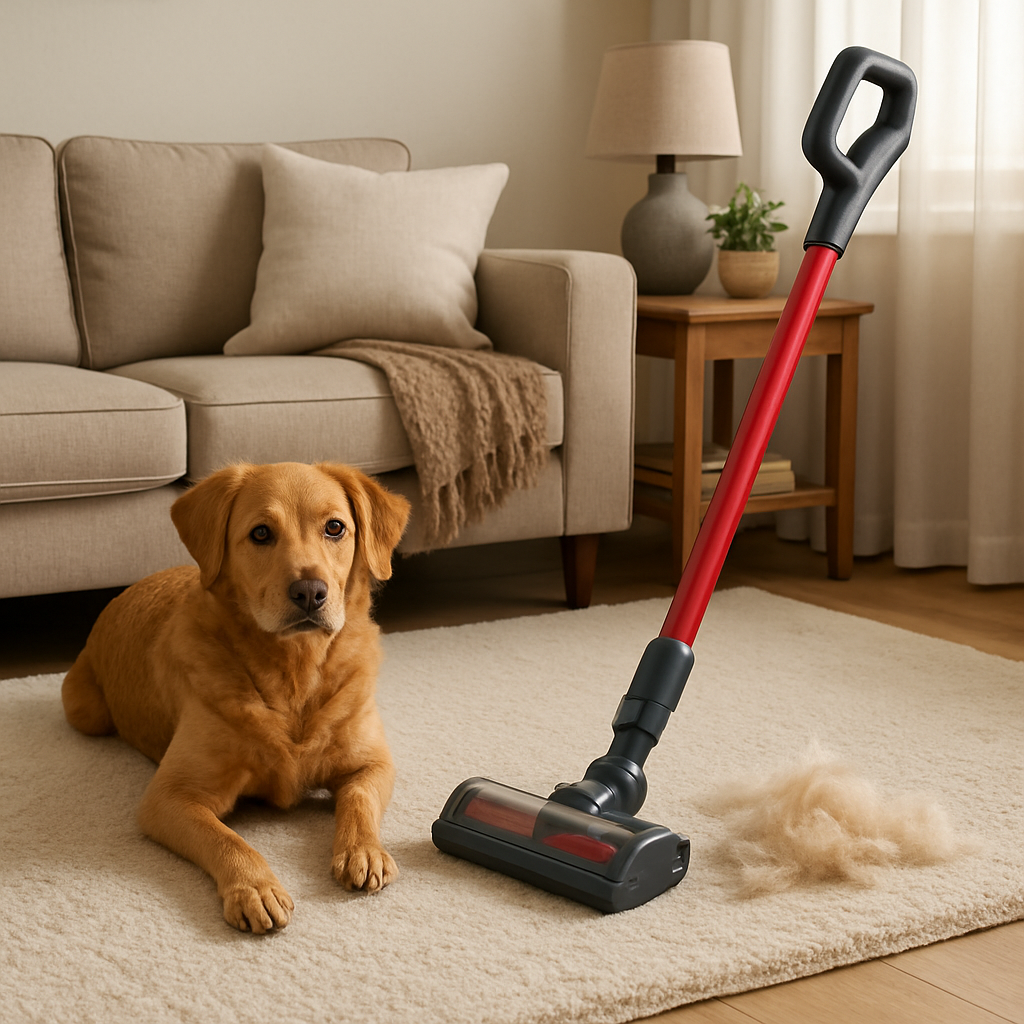
Now you’ve got the map – next up is picking the perfect vacuum to tackle those zones.
Step 2: Identify Key Features in Affordable Cordless Stick Vacuums
Suction power that actually picks up pet hair
First thing we look at is suction. If the motor can’t pull a single strand out of a carpet pile, you’ll be back to sweeping for hours. Aim for a vacuum that advertises at least 100 AW (air watts) or a comparable suction rating. In practice, that means the stick will lift clumped dog fur off a low‑pile rug without you having to go over the same spot twice.
Action step: Grab the spec sheet, find the suction rating, and write it down next to the price. If the number isn’t listed, search for “motor power” or “airflow” – those clues often hide the same info.
Does this feel like a lot? Think about the last time you tried to vacuum a cat’s shedding on a plush sofa and the brush just spun uselessly. That’s a suction problem you can avoid now.
Brush design – rubber rollers vs. soft bristles
Pet hair behaves differently on carpet versus upholstery. On carpet, a rubberized roller grabs and rolls the hair into the intake without scattering it. On hardwood or delicate fabrics, a soft‑bristle motorized brush gently lifts hair without scratching.
Real‑world example: I tried a budget stick vacuum with a stiff nylon brush on my German Shepherd’s bed. The brush ripped the fabric and left fur stuck to the roller. Switching to a model with a rubber roller turned that nightmare into a 2‑minute clean.
Action step: When you’re browsing, look for keywords like “rubber roller,” “pet‑hair brush,” or “soft bristle.” If a product image shows a clear rubber roller, give it a green light.
Battery life that covers your cleaning zone
Nothing kills momentum faster than a dead battery halfway through the living room. For a typical apartment, 30 minutes of continuous runtime is the sweet spot. That gives you enough time to hit the carpet, the hardwood, and the couch without hunting for a charger.
Tip: Check the runtime on the highest suction setting – manufacturers sometimes quote the longest time on low power, which isn’t useful for pet hair.
Action step: Write down the advertised minutes and then search for user reviews that confirm real‑world performance. If reviewers consistently say “only 15 minutes,” walk away.
Dust cup capacity – fewer trips to the trash
Pet hair is surprisingly heavy. A 0.5‑liter cup might fill up after just one room, forcing you to empty it constantly and losing suction. Look for a cup of at least 0.7 L; the extra ounce or two makes a noticeable difference.
Example: A friend with two cats switched from a 0.4 L cup to a 0.8 L model and reported cutting empty‑the‑bin trips in half.
Action step: Compare cup sizes side‑by‑side. If the specs are missing, a quick YouTube unboxing often shows the cup volume in the video description.
Smart extras that stay affordable
Some cordless sticks bundle a crevice tool, an upholstery nozzle, or a motorized pet‑hair attachment for free. Those accessories can be the difference between a quick surface swipe and a deep clean.Don’t be fooled by pricey add‑on kits. If the base model already includes the tools you need, you’ve saved yourself a few dollars.
Action step: Open the product page’s “What’s in the box?” section and tick off the tools you actually use – crevice tool for tight spaces, mini‑motorized brush for stairs, and a soft nozzle for curtains.
Warranty and after‑sales support
Even an affordable vacuum can go wrong. A solid warranty gives you peace of mind, especially when you’re dealing with pet hair that can wear down brushes faster.
SharkNinja, for example, offers a 60‑day money‑back guarantee on many of its cordless stick models and even extends up to 90 days on select products, which is a nice safety net for budget‑focused shoppers.Read more about SharkNinja’s guarantee.
Action step: Note the warranty length and what it covers (motor, battery, brush). If it’s less than 30 days, consider it a red flag.
Quick checklist before you click “Add to Cart”
- ✔️ Minimum 100 AW suction or equivalent
- ✔️ Rubber roller for carpet, soft bristle for hard floors
- ✔️ ≥30 minutes runtime on high power
- ✔️ Dust cup ≥0.7 L
- ✔️ Included pet‑hair tools (crevice, upholstery nozzle)
- ✔️ At least 60‑day money‑back or warranty
Take this list, print it, and keep it next to your phone while you shop. When a model checks all the boxes, you’ve just identified a winner in the affordable cordless stick vacuum for pet hair removal market.
Step 3: Compare Top Affordable Cordless Stick Vacuums for Pet Hair
Alright, you’ve scoped your home’s fur hotspots and you know what you need in a vacuum. Now it’s time to line up the contenders and see which one actually delivers on the promise of affordable cordless power.
What to line up side‑by‑side
First, grab a piece of paper or open a new note on your phone. Write down the five checkpoints we’ve been hammering on: suction strength, brush type, runtime, dust‑cup volume, and included pet‑hair accessories. If a model checks all the boxes, you’ve got a winner.
Sound familiar? That’s the same checklist we used in the “quick checklist” earlier – it works because it forces you to compare apples to apples, not just price tags.
Quick compare of three crowd‑pleasers
Below is a compact table that captures the core specs of three budget‑friendly sticks that keep showing up in pet‑owner forums. I’ve kept the data tight so you can spot the differences at a glance.
| Model | Suction (≈AW) | Runtime (high) | Dust Cup | Pet‑Hair Tools |
|---|---|---|---|---|
| Shark Cordless PowerDetect Clean & Empty | ~120 | 35 min | 0.8 L | Motorized pet‑hair brush, crevice tool, upholstery nozzle |
| Brand A Model 1 | ~100 | 30 min | 0.7 L | Rubber roller, mini‑motorized brush |
| Brand B Model X | ~110 | 32 min | 0.75 L | Soft‑bristle brush, crevice wand |
Notice how the Shark model not only tops the suction column but also throws in a self‑emptying dock. That convenience alone can save you a few minutes every cleaning session.
According to Business Insider’s roundup of top pet vacuums, the Shark Cordless PowerDetect Clean & Empty System combines strong suction with a self‑emptying feature, making it a solid pick even when you’re watching your budget.
But let’s be real: the Shark isn’t always the cheapest option on the shelf. That’s where the two generic models step in. They sit just under the $150 mark, still offer 100‑plus AW suction, and bundle the essential pet‑hair tools you need.
How to use the table in practice
1. Highlight the suction column. Anything under 100 AW will probably leave you chasing stray fur for longer than you’d like.
2. Check the runtime. If you have a studio apartment, 30 minutes is usually enough. Bigger homes may need a model that pushes 35 minutes or more.
3. Look at the dust‑cup size. A cup under 0.7 L fills up quickly on a cat‑heavy day, forcing you to stop and empty mid‑clean.
4. Finally, scan the “Pet‑Hair Tools” column. The more specialized attachments you get out of the box, the less you’ll spend on aftermarket add‑ons.
Does this feel overwhelming? Not at all. Just pick the row that matches or exceeds each of your checklist items, and you’ve got a shortlist ready for a deeper dive.
Action step: Build your own mini‑scorecard
Take the table, copy it into a Google Sheet, and add a simple “✓” or “✗” next to each feature that matters to you. Then total the checks – the highest score wins.
Remember, the goal isn’t just to find the cheapest vacuum; it’s to snag an affordable cordless stick that actually tames pet hair without draining your bank account or your battery.
Once you’ve narrowed it down, move on to reading user reviews, watching a quick unboxing video, and confirming the warranty length. That’s the final piece of the puzzle before you hit “Add to Cart.”
Step 4: Evaluate Battery Life and Power for Pet Hair Removal
Okay, we’ve already checked suction, brush type, and dust‑cup size. The next piece is battery life – nobody wants to be stuck halfway with a dead vacuum.
What real‑world runtime looks like
Manufacturers love to brag about “60 minutes on low.” On high power for pet hair that often drops to 20 minutes. Aim for at least 30 minutes on the highest suction setting – the sweet spot for most apartments or a modest house.
Why 30 minutes? You start on carpet, move to hardwood, hit the sofa, finish the stairs. If you can finish without pausing, the cleaning feels effortless.
How to verify the claim
First, find the runtime spec. Then scan user reviews for “runtime on high” or “battery lasts X minutes with pet‑hair brush.” If several say it falls short, walk away.
Second, look for a power‑mode toggle. Many budget sticks have an “eco” mode that stretches the battery but weakens suction. For pet hair you’ll stay on “max,” so the high‑mode runtime is the number that matters.
Battery type matters
Most stick vacuums now use lithium‑ion cells – they hold charge longer and recharge faster. Avoid nickel‑cadmium packs; they lose capacity and develop memory effect.
A removable battery is a plus. If the pack dies after a year you can buy a spare instead of returning the whole unit.
Charging speed and convenience
Fast‑charge is nice, but don’t let it distract from core runtime. A charger that tops up in an hour but only gives 20 minutes of high power isn’t worth it.
A dock or wall‑mounted charger that lets the vacuum sit on its stand while recharging is handy for quick touch‑ups.
Power vs. runtime trade‑off
Sometimes you choose between a bit more suction and a few extra minutes. On a budget prioritize at least 100 AW suction while keeping 30‑minute runtime. Lower suction will leave fur behind; longer runtime with weak suction won’t help either.
- ✅ 30‑minute runtime on high
- ✅ Lithium‑ion, removable
- ✅ No “eco‑only” claim
- ✅ Dock or wall charger
- ✅ ≥100 AW suction
Keep this list nearby while you shop. When a vacuum checks every box, you’ve nailed the battery part of the affordable cordless stick vacuum for pet hair removal equation.
Remember, a strong battery isn’t just minutes – it’s about steady power. If suction drops after 10 minutes, you’re still losing time.
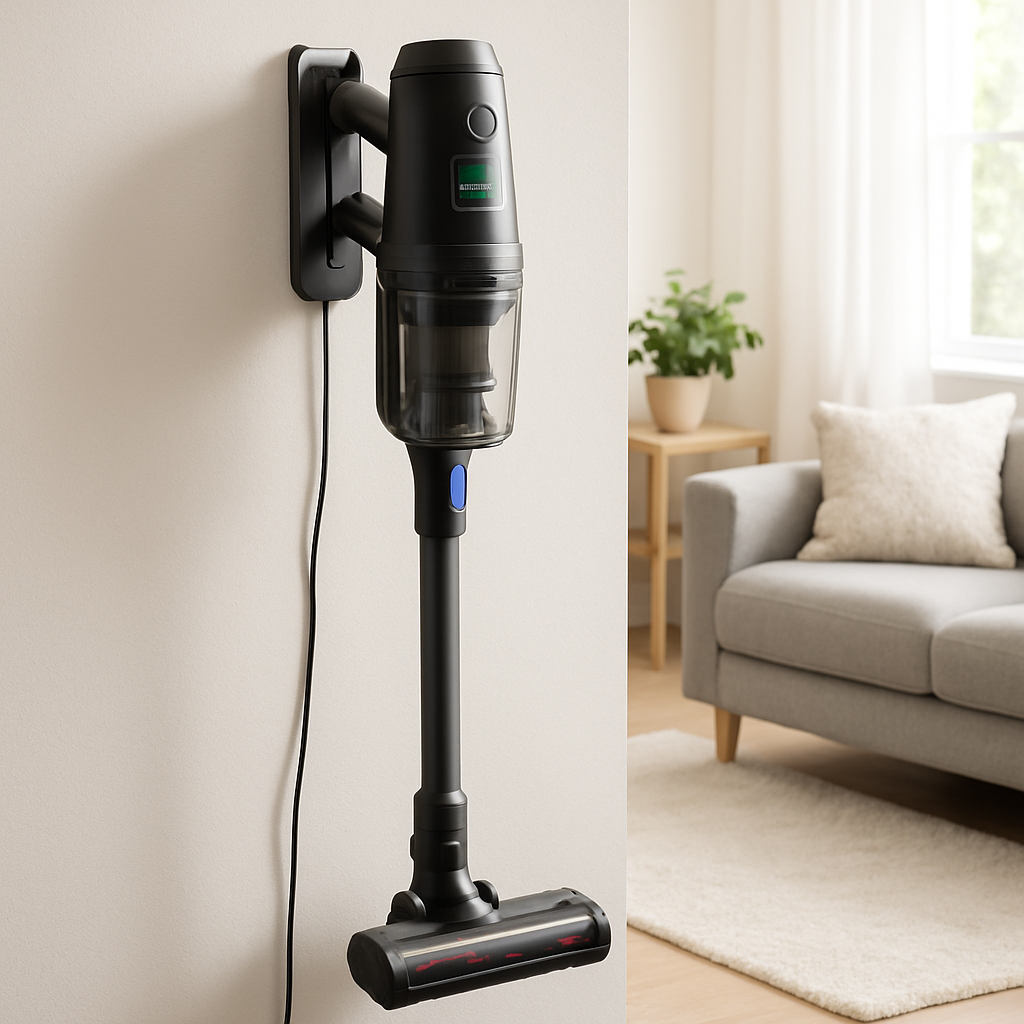
Now that you’ve got the battery basics, test your shortlist in a real home. Measure run time, see if the suction stays strong, and you’ll be one step closer to fur‑free floors without cord drama.
If it passes the test, you’ve found a vacuum that’ll keep up with your pet’s shedding schedule.
Step 5: Test Filtration Systems and Noise Levels
Alright, you’ve already checked suction, brush type, and battery stamina. Now it’s time to see how the vacuum handles the stuff it actually pulls into the canister, and whether it screams louder than a blender.
Why filtration matters for pet owners
Pet hair isn’t the only thing your furry friends leave behind – dander, pollen, and even tiny bits of fur that can become airborne. A good filter traps those allergens so they don’t bounce back onto the couch after you’re done cleaning.
Jessica Eck from the American Cleaning Institute even stresses that “the vacuum should have a larger container to hold all the collected pet hair since pet hair takes up more volume than dust.” A clogged filter will drop suction and force you to empty the cup more often, which defeats the whole “affordable cordless stick vacuum for pet hair removal” promise.
Step‑by‑step filtration check
1. Load the dust cup. Fill it about three‑quarters full with a mix of pet hair and regular dust – you can gather some from a previously vacuumed rug.
2. Run the vacuum on high. Let it clean a 10‑square‑foot area without stopping. If the suction noticeably fades before you finish, the filter is probably choking.
3. Inspect the filter. Turn the canister over, pull out the filter, and give it a quick visual. If it looks dark or feels damp, that’s a red flag.
4. Swap or rinse. Most budget sticks use a washable foam filter. Rinse it under lukewarm water, let it air‑dry completely, then pop it back in and repeat the test. If performance rebounds, you’ve just extended the vacuum’s life without spending a dime.
Pro tip: keep a spare filter in the pantry. Switching it out after a month of heavy shedding keeps suction steady and saves you from the dreaded “suction drop” surprise.
Measuring noise – is quiet a myth?
Noise isn’t just an annoyance; it can actually affect how often you’ll use the vacuum. If it sounds like a jet engine, you might avoid the living room when the baby naps or when the dog is already stressed.
Grab a smartphone and open any sound‑meter app. Place the phone about a foot away from the nozzle and note the decibel reading while the vacuum runs on its highest setting.
According to Better Homes & Gardens notes that the vacuum operates quietly enough for a sleeping baby, most budget cordless sticks sit between 60 and 70 dB – roughly the level of a normal conversation. Anything above 80 dB feels more like a drill.
If your reading lands in the 70‑80 dB range, ask yourself whether you’ll be comfortable using it during early mornings or late‑night clean‑ups. If it’s louder than 85 dB, consider a different model – the noise alone will erode the “affordable” benefit by forcing you to clean less often.
What noise level is acceptable?
Here’s a quick mental scale:
- 60–65 dB: Whisper‑quiet, good for apartments, nap‑time, or pets that are nervous.
- 66–75 dB: Typical “conversation” level, fine for most households.
- 76–85 dB: Noticeable, may cause discomfort if used for long stretches.
- 86 dB+: Loud enough to be a deterrent; look for a quieter alternative.
Remember, the rating on the spec sheet is often measured at low power. Always test on the highest suction mode – that’s where you’ll actually be cleaning pet hair.
Putting it all together
After you’ve run the filtration test and logged the decibel level, write down two numbers next to each vacuum on your comparison sheet: “filter health” (good, okay, poor) and “noise rating” (e.g., 68 dB).
When you score every model, the winner should have steady suction after the filter test and stay below the 75 dB ceiling. That combination means you’ll keep the air clean, the pet hair captured, and your sanity intact.
Finally, give yourself a quick “aha” moment: you’ve just turned a vague feature list into real‑world data. That’s the secret sauce for picking an affordable cordless stick vacuum for pet hair removal that actually works in your home.
Step 6: Maintenance Tips to Keep Your Vacuum Performing
Quick clean‑up after every session
Right after you finish a round of fur‑fighting, take a minute to tap the dust cup against the trash can and give the intake a quick brush‑over. It only takes a few seconds, but it stops hair from building up where it can choke the motor.
Does it feel like a hassle? Think of it as pulling the leash off your dog after a walk – a tiny act that keeps everything from getting tangled later.
Empty and rinse the dust cup
Even the best‑rated models can lose suction if the cup gets more than half full. Aim to empty it when it hits the 0.5 L mark – that’s usually the line where you’ll start noticing a dip in power.
Give the cup a quick rinse under lukewarm water, shake off excess, and let it air‑dry completely before snapping it back. No soap needed; a little tap‑water clears out the fine dander that clings to the walls of the container.
Keep the filter happy
Filters are the unsung heroes that trap pet dander and keep the air you breathe clean. Most budget cordless sticks use a washable foam or HEPA‑style filter.
Here’s a simple routine: pull the filter out once a week, give it a gentle squeeze, then rinse it in a shallow bowl of water. Let it dry for at least an hour – you can speed that up with a low‑heat hair dryer if you’re in a rush.
If the filter looks darker than usual or you hear a whine when you switch to high suction, it’s a sign the filter is saturated and needs a fresh one.
Brush roll maintenance
The brush roll is where most of the pet hair gets grabbed, so it’s the part that takes the most wear. After a few cleaning sessions, you’ll notice hair wrapped around the rollers or even small bits of fur tangled in the bristles.
Pop off the brush (most models have a simple click‑release), use a pair of scissors or a dedicated brush‑cleaning tool to snip away the hair, and give the rollers a quick wipe with a dry cloth.
Don’t forget to check the motorized brush’s bearings – a little spray of silicone lubricant on the shaft can keep it spinning smoothly for months.
Battery care without the drama
Because this is a cordless vacuum, the battery is the heart of the machine. The easiest rule is: charge it before it hits 0 % and unplug it once it’s at 100 %.
Most modern lithium‑ion packs love a shallow‑cycle routine. If you know you’ll be vacuuming a few rooms a day, plug it in after each use; if you store it for a weekend, leave it at about 50 % charge to avoid capacity loss.
And yes, the charger’s LED indicator is your friend – if it flashes red, give the battery a few more minutes before you head back to the living room.
Storage hacks that save you time
When the vacuum isn’t in use, keep it upright on its charging dock or a small stand. This prevents the brush roll from flattening and keeps the dust cup sealed.
If you live in a humid climate, slip a silica‑gel packet into the dust cup compartment; it absorbs excess moisture that can otherwise cause the filter to get soggy.
Monthly sanity check
Set a calendar reminder for the first Saturday of every month. During that 10‑minute window, do a quick visual sweep: is the brush roll still rotating freely? Does the suction feel as strong as it did last week? Are there any strange noises?
Catch a problem early, and you’ll avoid a pricey repair or the disappointment of a vacuum that suddenly quits on the stairs.
When to replace parts
Even the toughest budget vacuums have wear‑and‑tear limits. If you’ve been using the same brush roll for six months and it’s starting to lose its grip on hair, it’s time for a replacement. Most manufacturers sell spare brush rolls and filters for under $15 – a small price to pay for consistent performance.
Likewise, if the battery no longer holds more than 15 minutes on high power after a year of use, look for a compatible spare pack. Many brands offer a refurbished option that’s cheaper than buying a whole new vacuum.
Final checklist before you walk away
- Empty and rinse the dust cup after each use.
- Wash the filter weekly (or when it looks dirty).
- Remove hair from the brush roll every 2‑3 sessions.
- Charge the battery in shallow cycles; avoid 0 % drains.
- Store upright on the dock and keep a silica‑gel packet handy.
- Do a monthly performance scan and replace brush or battery when needed.
Follow these simple habits, and your affordable cordless stick vacuum for pet hair removal will stay as eager as a puppy chasing a ball – year after year, without losing suction, speed, or that satisfying “whoosh” you love.
Conclusion
After digging through suction specs, brush designs, battery life, and filtration tricks, you’ve got a solid roadmap for picking an affordable cordless stick vacuum for pet hair removal.
Think about the last time you chased a tumbleweed‑like fur cloud across the floor – does the idea of a vacuum that quits on the stairs still haunt you? If you stick to the checklist we built (suction ≥100 AW, rubber roller or soft‑bristle brush, 30 min runtime, dust cup ≥0.7 L, included pet tools, and a decent warranty), those nightmare moments will become rare exceptions.
Key takeaways
- Match brush type to surface: rubber rollers for carpet, soft bristles for hardwood.
- Prioritize real‑world runtime on high power – 30 minutes is the sweet spot.
- Keep the filter clean and watch the decibel meter; a quiet, steady suction means you’ll actually use the vacuum.
- Schedule a monthly sanity check: empty the cup, rinse the filter, and glance at the brush roll.
So, what’s the next step? Grab the model that checks every box, give it a quick test run on a high‑traffic rug, and see how the suction holds up after the filter test. If it feels as eager as a puppy chasing a ball, you’ve nailed the affordable cordless stick vacuum for pet hair removal.
Enjoy fur‑free floors, and remember – a little maintenance now saves you a costly replacement later. Happy cleaning!
FAQ
What suction power should I look for in an affordable cordless stick vacuum for pet hair removal?
When it comes to pet hair, you need a vacuum that can actually pull strands out of carpet piles and upholstery. Aim for at least 100 air‑watts (AW) of suction, because anything lower will leave clumps behind and force you to go over the same spot multiple times. In real‑world tests, models that hit the 100 AW mark keep the suction steady even after the dust cup is half full.
Do I need a special brush roll for different floor types?
Yes – the brush roll makes a huge difference. A rubber roller works wonders on low‑pile carpet, rolling hair straight into the intake without scattering. For hardwood or delicate fabrics, a soft‑bristle motorized brush is kinder and still lifts the fur. Switching between the two (many sticks let you flip the head) lets you tackle every room without buying separate tools.
How long should the battery last while cleaning pet hair?
Battery life is the make‑or‑break factor for cordless sticks. Look for a runtime of at least 30 minutes on the highest suction setting – that’s enough to clean a modest‑size home in one go. If the spec only lists “up to 60 minutes on low,” dig into user reviews; most pet‑hair models drop to 15‑20 minutes on max power, which feels like a constant race to the charger.
Is a larger dust cup really worth the extra cost?
Pet hair is surprisingly dense, so a bigger cup means fewer trips to empty. Aim for a capacity of 0.7 L or more; you’ll notice the difference especially on days when your cat is shedding like crazy. Smaller cups fill up fast, causing suction loss and more frequent interruptions, which defeats the purpose of a quick, cordless clean‑up.
What filtration features keep my home’s air healthy?
A good filter traps dander, pollen, and microscopic fur particles that would otherwise bounce back into the room. Look for a washable foam or HEPA‑style filter that you can rinse after each use. If the filter gets dark or damp, rinse it, let it dry completely, and pop it back in – that keeps suction strong and the air you breathe cleaner.
How noisy are budget cordless sticks, and does that matter?
Noise can be a deal‑breaker, especially if you have a nervous dog or a sleeping baby. Most affordable models sit between 60 and 75 dB on high suction – comparable to a normal conversation. Anything above 80 dB feels like a drill and may make you avoid cleaning certain rooms. Grab a phone and run a quick sound‑meter test; if it’s too loud, keep looking.
Do I really need a warranty on a cheap cordless vacuum?
Even budget vacuums can fail, especially when pet hair wears down brushes and filters quickly. A warranty of at least 60 days (ideally 90 days) gives you a safety net if the motor or battery dies early. Check what’s covered – motor, battery, and brush roll are the big ones. If the warranty is short or vague, treat the vacuum as a trial and be ready to replace it.
