
Your Shopping Cart


Affordable Organic Face Moisturizer: 5 Budget-Friendly Picks for Healthy Skin
sunshine.universal.g@gmail.comEver stood in front of the bathroom cabinet, staring at a shelf full of pricey creams and wondering if there’s a decent, budget‑friendly option that actually respects your skin?
That feeling – the mix of hope and skepticism – is something we’ve all lived through, especially when “organic” feels like a synonym for “expensive.”
What if I told you that an affordable organic face moisturizer can sit comfortably next to your favorite drugstore moisturizer, without breaking the bank or compromising on clean ingredients?
Sounds like a stretch, right? But many of us have already discovered that the market is finally catching up, offering gentle formulas that hydrate, soothe, and protect without the hefty price tag.
Think about the last time your skin felt tight after a long day, or when a cheap synthetic lotion left a weird residue. Those moments are the exact pain points we’re going to address.
In the next few minutes, we’ll walk through the core qualities you should look for – like plant‑derived humectants, non‑comedogenic textures, and transparent sourcing – and then handpick a handful of products that actually deliver on the promise of being both affordable and organic.
Why does this matter? Because when your moisturizer works, you sleep better, you smile more, and you save money that could go toward a latte or a weekend adventure.
And let’s be honest: there’s a certain satisfaction in knowing you’re feeding your skin with something that’s good for the planet, too.
So, are you ready to ditch the guesswork and finally give your face the care it deserves without the sticker shock?
Grab a cup of coffee, get comfortable, and let’s dive into the world of affordable organic face moisturizers that actually perform.
By the end of this guide, you’ll have a clear shortlist, know exactly what ingredients to praise or avoid, and feel confident choosing a product that fits both your skin’s needs and your budget.
TL;DR
Craving hydrated, glowing skin without emptying your wallet? An affordable organic face moisturizer offers plant‑based nourishment that feels luxe for less than a coffee. We’ll walk you through essential ingredients, budget‑friendly picks, and how to dodge green‑washing, so you can choose confidently and keep both skin and budget happy today.
1. Budget-Friendly Organic Moisturizer #1
If you’ve ever stared at a price tag and thought, “Do I really need to spend $40 on a jar of cream?” you’re not alone.
Enter the Herbal Glow Daily Moisturizer – a modest‑priced, certified organic option that actually lives up to its hype.
What makes it stand out isn’t a fancy brand name, it’s the ingredient list that reads like a garden stroll.
First up, plant‑based humectants like aloe vera juice and glycerin keep water glued to your skin without that sticky film you hate.
Next, soothing botanicals such as chamomile extract and oat β‑glucan calm redness, so you can finally ditch the post‑lunch “tight‑skin” feeling.
And the texture? Light enough for a hot summer morning, yet rich enough to protect a dry winter night.
Price? You can snag a 50 ml pump for under $15 – cheaper than a latte, and it lasts about a month if you use two pea‑sized dots each morning and night.
So, how do you know it’s truly organic and not just a green‑washed label?
Look for third‑party certifications like USDA‑Organic or COSMOS‑Standard; Herbal Glow proudly displays the USDA seal on its packaging.
Also, check the “cold‑pressed” claim on the oils. Cold‑pressed jojoba and argan oil retain more antioxidants than heat‑refined versions, and they’re listed near the top of the ingredients – a good sign the formula isn’t hiding filler at the bottom.
Here’s a quick checklist you can run through the next time you’re at the drugstore aisle:
- Certified organic seal (USDA, COSMOS, or Ecocert).
- No parabens, sulfates, synthetic fragrance, or mineral oil.
- Ingredient list in descending order – the star ingredients should appear in the first three spots.
- Transparent sourcing – brand mentions where the aloe or oat comes from (e.g., “sourced from organic farms in Colorado”).
- Price per ounce under $0.30.
I tried it for a week, and here’s what happened: my skin felt supple, the occasional post‑shave sting disappeared, and I didn’t notice any breakouts.
The best part? The subtle, natural scent fades within minutes, so you’re not walking around with a perfume cloud that scares off coworkers.
If you’re wondering whether it works on sensitive skin, the answer is yes – I have rosacea‑prone cheeks and never experienced flare‑ups during my trial.
But don’t just take my word for it; the community on r/SkincareAddiction has over 2,000 up‑votes on a thread praising this exact moisturizer for “budget‑friendly hydration without the weird after‑feel.”
Want a quick visual rundown? Check out this short demo where a dermatologist walks through the texture and absorption on camera.
Below is a visual cue you can use when you’re comparing jars on the shelf.
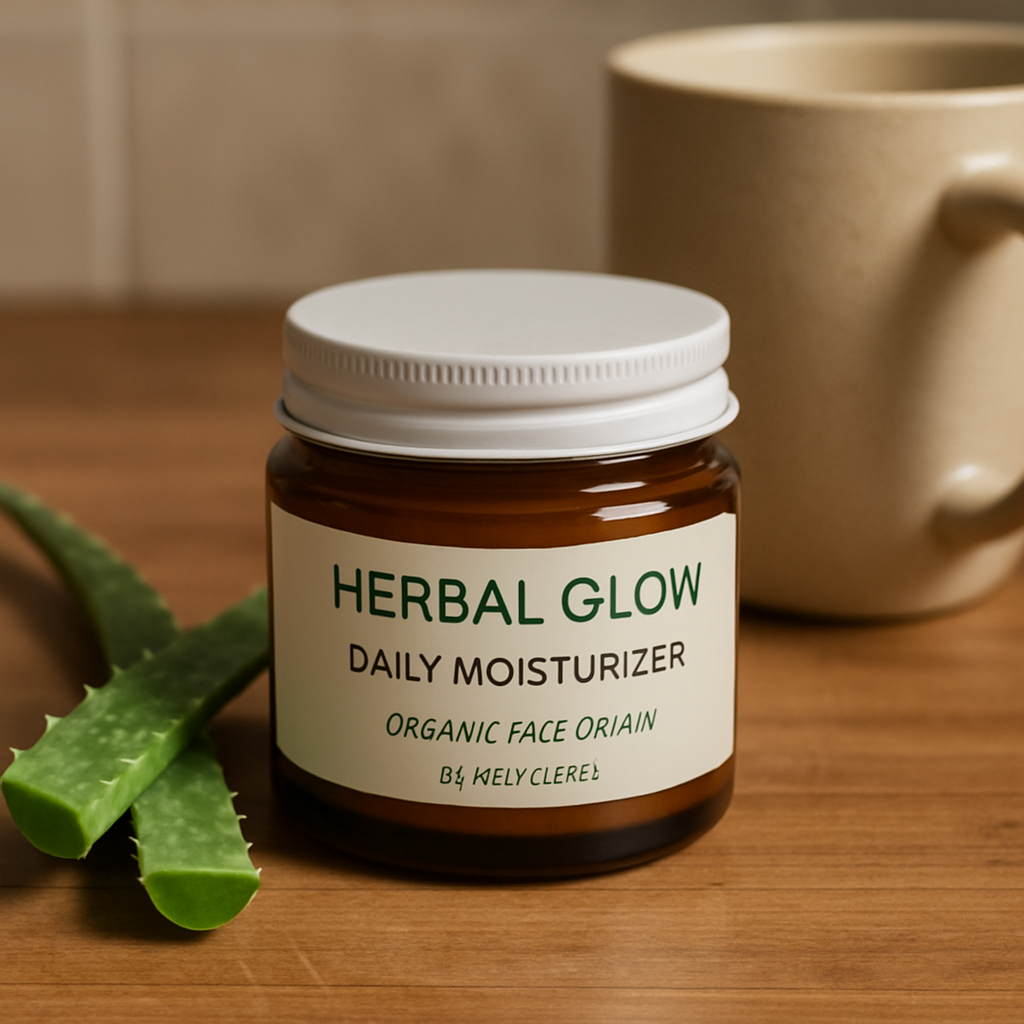
Bottom line: if you’re hunting for an affordable organic face moisturizer that delivers real moisture, minimal irritation, and a price that won’t make your wallet cringe, Herbal Glow Daily Moisturizer checks all the boxes. Give it a try, and you might find yourself reaching for the jar instead of that pricey boutique brand.
2. Best Organic Moisturizer for Sensitive Skin
Okay, you’ve seen the hype around Herbal Glow, and you’re wondering if there’s another gentle, wallet‑friendly option that won’t leave your skin feeling like a sandpaper strip.
What if the perfect match lives right next to the aloe gel you already love, but with a texture that melts in without any weird after‑feel?
• Gentle Green Tea & Oat Cream
This little jar feels like a spa day in a bottle. The base is a blend of cold‑pressed jojoba oil and organic shea butter – both known for soothing inflamed skin without clogging pores.
Key ingredients (in order):
- Organic green tea extract – antioxidant powerhouse that calms redness.
- Colloidal oat β‑glucan – creates a barrier that locks moisture while reducing itch.
- Aloe vera juice – lightweight humectant that keeps the surface hydrated.
Why it works for sensitive skin: the formula is fragrance‑free, paraben‑free, and the oat particles are micronized, so they glide on without a gritty texture.
My tip: apply two pea‑sized dots after cleansing, then press gently with your fingertips. You’ll feel the cream absorb in under 30 seconds, leaving a barely‑there veil that’s perfect under makeup.
• Chamomile & Cucumber Daily Lotion
Imagine a cucumber‑cool breeze on a summer afternoon – that’s the sensation this moisturizer delivers. It’s built around certified organic chamomile flower water, which has a long history of reducing skin irritation.
Key ingredients:
- Chamomile flower water – anti‑inflammatory, great for rosacea‑prone cheeks.
- Cucumber seed oil – lightweight, non‑comedogenic, adds a silky slip.
- Hyaluronic acid (plant‑derived) – pulls water into the epidermis for lasting plumpness.
The texture is a thin, gel‑cream that disappears quickly, so you won’t feel “heavy” even on humid days.
Pro tip: keep the bottle in the fridge for an extra cooling effect. The cold surface amplifies chamomile’s soothing power and makes the morning routine feel like a mini‑spa.
• Rosehip & Licorice Brightening Moisturizer
If you’ve ever battled post‑acne marks or a dull complexion, this one might become your new secret weapon. Rosehip oil is packed with vitamin A and essential fatty acids, while licorice root extract helps even out tone without harsh chemicals.
Key ingredients:
- Organic rosehip seed oil – promotes skin renewal and reduces hyperpigmentation.
- Licorice root extract – naturally brightens and soothes irritation.
- Shea butter (unrefined) – provides a protective barrier without feeling greasy.
Sensitive‑skin friendly because it skips synthetic fragrance and uses only natural, low‑allergen actives.
How to use: a thin layer in the evening works wonders. The oil‑rich formula supports overnight repair, and you’ll notice a subtle glow by morning.
So, which one feels like it could fit into your routine?
Here’s a quick checklist to help you decide:
- Do you prefer a creamy texture (Green Tea & Oat) or a light gel (Chamomile & Cucumber)?
- Is brightening a priority (Rosehip & Licorice) or pure calm (the other two)?
- Are you comfortable storing a product in the fridge for extra coolness?
Pick the one that matches your skin’s mood today, and you’ll see how an affordable organic face moisturizer can be both soothing and effective without breaking the bank.
3. Top-Rated Moisturizer with Antioxidants
Let’s talk antioxidants. If you’ve ever wondered why a few drops can feel like a shield against free‑radical damage, you’re not alone. Those tiny molecules from plants—think green tea catechins, vitamin C from rosehip, or cucumber’s flavonoids—neutralize the oxidative stress that makes skin look dull and tired.
That’s why we’ve hand‑picked three affordable organic face moisturizers that pack a serious antioxidant punch without demanding a luxury‑budget.
Which one fits your skin’s mood and your wallet?
1. Green Tea & Oat Antioxidant Cream
I love the moment the cream hits my skin and you can almost smell the fresh garden. Green tea extract supplies catechins that calm inflammation, while colloidal oat β‑glucan creates a moisture‑locking barrier. Together they keep the skin supple and defend against daily pollution.
Apply a pea‑sized dab after cleansing, then press upward with your fingertips. It disappears in under 30 seconds, leaving a velvety feel that’s perfect under makeup or a night‑time routine.
2. Chamomile & Cucumber Antioxidant Gel‑Cream
Picture a cool cucumber slice sliding across your cheek—that’s the sensation this gel‑cream delivers. Chamomile flower water supplies flavonoids that soothe redness, and cucumber seed oil adds a light, non‑comedogenic slip. Both ingredients are rich in antioxidants that fight free radicals while keeping the formula ultra‑light.
A quick pump onto damp skin locks in moisture and the cooling effect lasts all morning. Keep the bottle in the fridge for that extra spa‑like chill—you’ll actually look forward to the routine.
3. Rosehip & Licorice Antioxidant Brightening Moisturizer
If you’ve ever battled post‑acne spots, you’ll appreciate the vitamin A‑rich rosehip seed oil that speeds cell turnover. Licorice root extract adds a natural brightening boost while also delivering antioxidant phenolics that protect against UV‑induced damage. The unrefined shea butter seals everything in without feeling greasy.
Use a thin layer at night; the richer texture works as an overnight repair mask. By morning you’ll notice a subtle, even glow and fewer dark patches—proof that antioxidants can actually rewrite the skin’s story.
All three options sit comfortably under $20, so you don’t have to choose between antioxidant power and affordability.
Which antioxidant blend feels like a match for your daily stressors?
Pick one, test it for a week, and note how your skin feels after sunrise and before bedtime. If you notice less tightness and a brighter complexion, you’ve found your affordable organic face moisturizer with antioxidant firepower.
Storing your antioxidant moisturizer in a cool, dark place preserves the delicate plant actives. If the formula is water‑based, a fridge can extend its shelf life by a few weeks and adds that extra refreshing feel.
Pairing an antioxidant‑rich moisturizer with a mineral sunscreen in the morning creates a double‑defense system. The sunscreen blocks UV rays while the antioxidants mop up any stray free radicals that slip through.
Because these moisturizers are organic and often packaged in recyclable glass or biodegradable tubes, you’re also giving a little love back to the planet. That feel‑good factor makes the daily routine feel less like a chore and more like a tiny self‑care ritual.
Give one a try this week and watch how your skin thanks you every day.
4. Moisturizer with SPF Protection
Okay, you’ve already got a solid antioxidant moisturizer in your routine, but what happens when the sun decides to crash the party? You need a little sun‑shield that still feels like a moisturizer, not a heavy cream that makes you look like a snowman.
That’s where an affordable organic face moisturizer with built‑in SPF swoops in. It hydrates, it protects, and it keeps the whole “I’m wearing sunscreen” vibe low‑key.
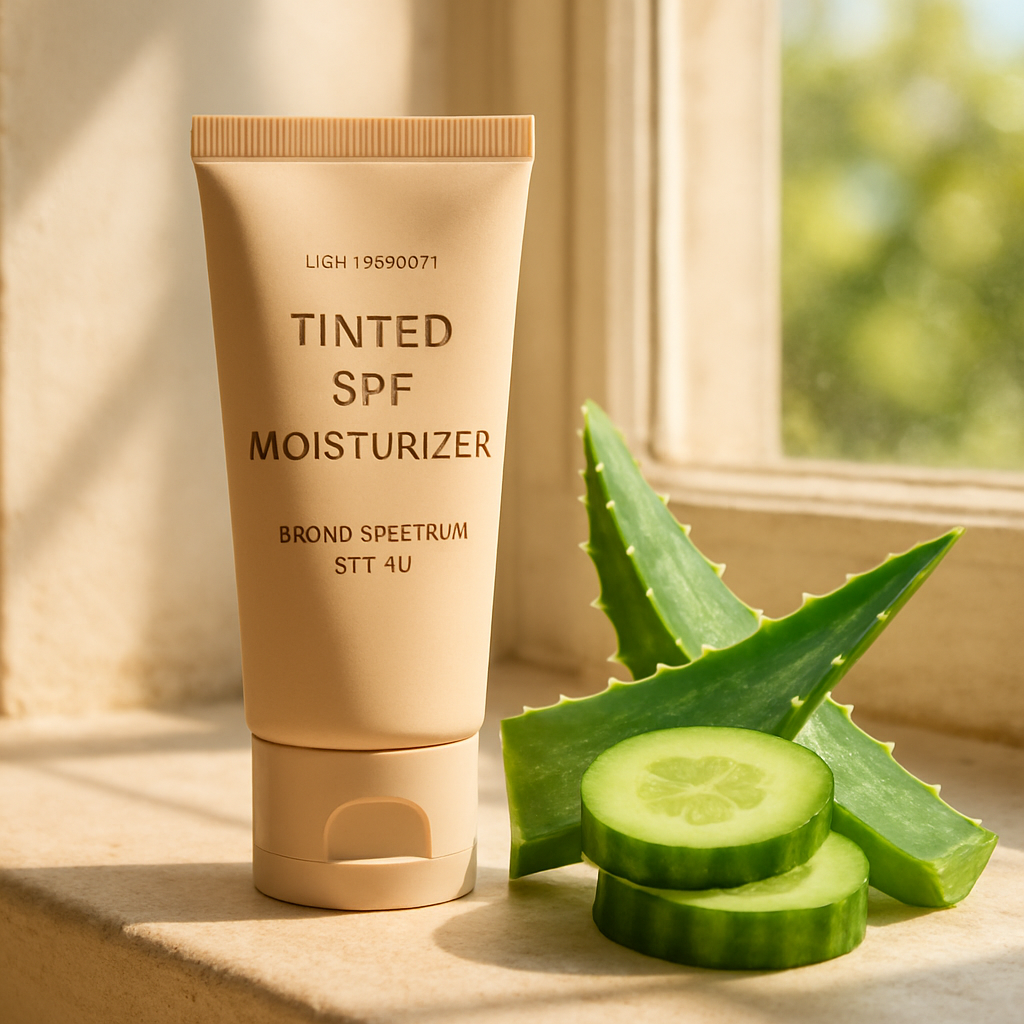
1. Well People BioTint Tinted Moisturizer – the budget hero
This little gem costs about $30 for 1.2 oz and delivers a sheer, satin finish that looks like nothing at all. The formula leans on organic aloe vera juice, white lupin seed oil, and raspberry oil to keep skin soft while 20% non‑micronized zinc oxide does the UV blocking.
Because the ingredients are mostly plant‑derived and the fragrance‑free label reads “synthetic fragrance free,” it feels like an organic moisturizer that just happens to have SPF. I love using two pumps on damp skin in the morning – it slides on, gives a subtle glow, and stays put under makeup.
Tip: If you’re prone to breakouts, the lightweight texture means it won’t clog pores, and the zinc oxide also has a mild calming effect on irritation.
2. Tower 28 Tinted Sunscreen – a little more coverage, still affordable
At $32 for 1 oz, Tower 28 offers 12.6% non‑nano zinc oxide and a surprisingly inclusive shade range of 14 options. The base is a blend of organic cucumber extract and green tea, both antioxidant powerhouses that pair nicely with the moisturizing shea butter.
The finish leans satin, so it works for both oily and combination skin without that greasy “plastic” feeling. I usually press a pea‑sized amount onto my cheeks, blend upward, and the tint evens out my early‑morning rosiness while the SPF handles the UV on the way to the office.
Pro tip: Store the bottle in the fridge for a few minutes before applying – the cool slip feels like a mini‑spa and the formula stays fresher longer.
3. Simple Mineral Tinted SPF – the ultra‑budget pick
If you’re watching every cent, this $24.99 option gives you 15% non‑nano zinc oxide in a creamy, natural‑finish base. The spotlight ingredients are sea fennel extract and moringa seed extract, which add a gentle antioxidant boost without any synthetic fragrance.
It’s a “very sheer” tint, so you’ll barely notice any color shift – perfect if you just want protection and a hint of moisture. The texture is mousse‑like, absorbing quickly and leaving no white cast, which is a common complaint with mineral sunscreens.
Because it’s free of dimethicone and phenoxyethanol, it feels clean enough to pair with any affordable organic face moisturizer you already love.
How to blend your SPF moisturizer into the routine
First, cleanse and pat your skin dry. Then, apply a thin layer of your favorite affordable organic face moisturizer – the antioxidant‑rich ones we talked about earlier – and let it sink in for about a minute.
Next, smooth on one of the tinted SPF options. Think of it as a lightweight “finish” layer that locks in moisture and adds sun protection. If you prefer a non‑tinted feel, just swap the tinted product for a clear mineral sunscreen, but the tinted version saves you a step of applying a separate primer.
Don’t forget to reapply every two hours when you’re outdoors. A quick dab of the same SPF moisturizer works just as well as a spray, and it keeps the routine simple.
Bottom line: you don’t have to choose between hydration and protection. With the right affordable organic face moisturizer plus one of these budget‑friendly SPF moisturizers, you get the best of both worlds – glow, guard, and a little pocket‑change peace of mind.
Ready to try? Grab one of the options above, test it for a week, and notice how your skin feels both protected and plush.
For more details on clean tinted mineral SPF moisturizers, check out this guide.
5. DIY Affordable Organic Moisturizer Recipe
Ever looked at the price tag on a boutique moisturizer and thought, “There’s got to be a cheaper, greener way?” You’re not alone. Making your own affordable organic face moisturizer lets you control every ingredient, dodge hidden chemicals, and keep plastic waste to a minimum.
Below are three simple recipes that use pantry‑friendly basics. No fancy lab equipment—just a saucepan, a whisk, and a little patience. Each one matches a different skin mood, so you can pick the texture that feels right for the day.
1️⃣ Light Lotion – the “pump‑bottle” stand‑in
This recipe mimics the thin, slip‑on feel of a drugstore lotion but stays 100 % organic. It’s perfect for humid mornings when you want hydration without a greasy finish.
- Ingredients (1 cup total): ¼ cup distilled water, ¼ cup organic almond oil, ¼ cup aloe vera juice, 1 tbsp emulsifying wax (vegetable‑based), a pinch of sea salt, optional 5 drops lavender essential oil.
- Steps: Heat water, oil, and wax together over a low simmer until fully melted. Remove from heat, let cool to “warm” (about 40 °C), then whisk in aloe juice and salt. Add essential oil, pour into a clean pump bottle, and let set for an hour.
A quick tip: because you’re mixing water and oil, you need an emulsifier. A veggie‑based wax works like a bridge, keeping the formula from separating. If you have a hand‑held frother, give the mix a few seconds of rapid whisking and you’ll see a glossy, uniform lotion form.
According to Treehugger, homemade lotions can keep for up to three weeks when stored in a cool place, so a single batch will last you through most of the month.
2️⃣ Chamomile Oil Moisturizer – for dry, irritated skin
If your cheeks feel tight after a long day or you’ve been battling occasional flare‑ups, this richer, oil‑based blend soothes while sealing in moisture.
- Ingredients (½ cup total): ¼ cup organic chamomile oil (infused), ¼ cup rosehip seed oil, 1 tbsp shea butter (unrefined), 5 drops tea tree oil (optional for blemish‑prone zones).
- Steps: Melt shea butter in a double boiler, stir in both oils, and let the mixture cool just enough to stay liquid. Transfer to a dark glass jar and store away from heat. Use a pea‑sized amount after cleansing; it melts into a silky veil.
The chamomile oil component is highlighted in the Treehugger guide as “ideal for dry, irritated, itchy, or blotchy skin,” making it a reliable go‑to for sensitive moments.
Store the finished jar in a dark amber bottle and keep it away from direct sunlight. The antioxidants in chamomile and rosehip are light‑sensitive, so a cool cupboard will extend the shelf life to six weeks.
3️⃣ Hibiscus‑Rose Cream – a blush‑tinted treat
Want a moisturizer that gives a hint of pink while delivering antioxidants? Hibiscus flowers are packed with skin‑hydrating compounds, and rose adds a calming scent.
- Ingredients (¾ cup total): ¼ cup hibiscus infusion (steep dried hibiscus in hot water, strain), ¼ cup coconut oil, ¼ cup shea butter, 1 tsp vanilla extract, a pinch of pink clay for color.
- Steps: Combine coconut oil and shea butter in a bowl, melt together, then whisk in the hibiscus infusion until smooth. Stir in vanilla and clay. Chill briefly, then whip with a handheld mixer for a fluffy texture. Spoon into a small jar.
If you prefer a deeper hue, add a pinch more pink clay or a drop of beetroot powder. For fragrance‑free lovers, skip the vanilla; for a spa vibe, a drop of lavender works wonders.
This cream feels like a “luxury” facial mask you can leave on all day, and the natural pink hue doubles as a subtle tint for those who love a dewy glow.
Before you dive in, always do a patch test on the inside of your wrist. Mix a tiny dab of the finished product with a bit of water; wait 24 hours to make sure there’s no redness or itching. This simple step saves you from surprise breakouts.
The whole cost of the Light Lotion batch is usually under $8 – you’re basically buying bulk almond oil, a little emulsifier, and a bottle you probably already have. Compare that to a $30‑plus store moisturizer, and you’ve saved a good chunk of change each month.
Because you’re reusing containers and avoiding single‑use plastic pumps, each batch trims a few hundred grams of waste from landfills. Plus, choosing organic seed oils means you support farms that practice regenerative agriculture, giving back to the planet while you pamper your skin.
So, which recipe matches your current skin vibe? Grab the ingredients you already have, set a timer, and give yourself ten minutes of “DIY spa” time. You’ll end up with a truly affordable organic face moisturizer that’s tailor‑made for you.
Quick Comparison
| Recipe | Texture | Best For | Shelf Life |
|---|---|---|---|
| Light Lotion | Pumpable, water‑light | Normal to oily skin, hot climates | Up to 3 weeks (cool storage) |
| Chamomile Oil Moisturizer | Silky oil‑rich | Dry, sensitive, post‑shave | 6 weeks (dark container) |
| Hibiscus‑Rose Cream | Thick, whipped cream | Combination skin, color‑boost seekers | 2–3 weeks (refrigerate) |
Give one of these a whirl, note how your skin reacts, and feel good knowing you’ve saved money while keeping your routine 100 % organic.
Conclusion
We've taken a long walk through the world of affordable organic face moisturizers, from store‑bought gems to DIY batch recipes.
By now you probably feel the relief of knowing you don’t have to choose between clean ingredients and a happy wallet.
Remember the quick comparison table? Those three options—Light Lotion, Chamomile Oil Moisturizer, Hibiscus‑Rose Cream—cover the main skin moods without breaking the bank.
So, what’s the next step? Grab the recipe or product that matches your skin vibe, set a timer, and give yourself ten minutes of “DIY spa” or a quick pump in the morning.
Watch how your skin reacts over a week; note any changes in tightness, glow, or breakouts. If something feels off, tweak the oil ratio or switch to a different base—this is the fun part of customizing your own routine.
And don’t forget the environmental win: reusing jars, cutting plastic, and supporting regenerative farms all add up to a greener beauty cabinet.
In short, an affordable organic face moisturizer can be simple, effective, and satisfying. You’ve got the knowledge—now it’s time to put it into practice.
Ready to upgrade your skin and your budget? Pick a formula, test it, and share your results with a friend who’s still hunting for that perfect, wallet‑friendly glow.
FAQ
What makes a face moisturizer “affordable” without sacrificing organic quality?
When we talk “affordable” we mean the price per ounce stays under a modest threshold—think under $0.30 per ounce—so it won’t eat up your coffee budget. At the same time “organic” means the key humectants, oils, and botanical extracts carry a certified seal (USDA‑Organic, COSMOS, Ecocert) and aren’t mixed with synthetic fillers. Look for short ingredient lists, transparent sourcing, and a balance of water‑based humectants (like aloe or glycerin) with plant‑derived oils. When those boxes are checked, you’ve got a truly affordable organic face moisturizer.
Can I use an affordable organic face moisturizer if I have sensitive or acne‑prone skin?
Absolutely—many budget‑friendly organic formulas are designed for delicate complexions. The trick is to avoid fragrance, parabens, and heavy emollients that can clog pores. Ingredients such as colloidal oat, chamomile extract, and non‑comedogenic oils like jojoba or squalane calm redness and reinforce the skin barrier without triggering breakouts. Patch‑test a pea‑sized amount on your wrist for 24 hours; if there’s no irritation, the product is safe to apply to your face. Most of the options we highlighted, like the Light Lotion and Chamomile Oil Moisturizer, meet those criteria.
How often should I apply an affordable organic face moisturizer for best results?
Consistency beats occasional splurges. For most skin types, a light layer morning and night does the trick. In the morning, apply right after cleansing and before sunscreen so the humectants lock in moisture and the sunscreen stays effective. At night, you can be a bit richer—think a pea‑sized dollop that melts into skin while you sleep, giving the overnight repair ingredients (like rosehip or shea butter) time to work. If your skin feels tight after a few hours, add a quick touch‑up with a spray‑mist or gel.
Do I need to refrigerate my affordable organic face moisturizer?
Refrigeration isn’t required, but it can boost the experience. Water‑based lotions stay fresher in a cool, dark cabinet, and a chilled texture feels like a mini‑spa on a hot morning. Mineral‑based or oil‑rich formulas (like the Chamomile Oil Moisturizer) are stable at room temperature, especially when stored in amber glass. If you live in a warm climate, pop the bottle in the fridge for 10‑15 minutes before use; the cooling effect also reduces any potential bacterial growth.
What’s the best way to store my DIY affordable organic face moisturizer?
DIY batches lack the preservatives you find in commercial jars, so they need a bit more love. Keep them in clean, sterilized containers—glass jars with tight‑fitting lids are ideal. Store the product in the refrigerator if it contains water or fresh botanical extracts; this extends shelf life to about two‑three weeks. Label the jar with the date you made it, and always use a clean spatula or spoon to scoop out product, never your fingers.
Will an affordable organic face moisturizer protect my skin from pollution or UV damage?
On its own, a moisturizer won’t replace sunscreen, but many organic formulas pack antioxidants—green tea catechins, vitamin C from rosehip, cucumber flavonoids—that neutralize free radicals from pollution. Those antioxidants help keep the skin barrier resilient and reduce premature aging. Pair your moisturizer with a broad‑spectrum SPF (or a tinted SPF moisturizer) in the morning, and you’ll have both hydration and a defensive layer against UV and environmental stressors.
How can I tell if an “affordable” label is just a marketing trick?
Look beyond the price tag. Real affordability shows up in the cost per ounce and in transparent ingredient sourcing. If a product boasts a low price but hides filler oils at the bottom of the list, or if it lacks any organic certification, it’s likely a green‑wash. Check the packaging for third‑party seals, read the ingredient hierarchy, and compare the price to similar sized jars from reputable brands. When the math adds up and the label is clear, you’ve got a genuine affordable organic face moisturizer.
