
Your Shopping Cart


Best Budget Bluetooth Speaker Picks for Quality Sound on a Tight Budget
sunshine.universal.g@gmail.comEver walked into a store, saw a shiny Bluetooth speaker, and thought, “I could probably grab something decent for less than the price of my coffee?”
Or maybe you’ve been scrolling through endless review lists, feeling overwhelmed by tech jargon and wondering if there’s a simple answer that actually works for your budget.
I get it. You want clear sound, solid battery life, and a design that doesn’t scream “cheap,” all without blowing your paycheck.
That’s why we’re digging into the best budget Bluetooth speaker options that actually deliver the vibes you need—whether you’re tailgating, picnicking, or just vibing on your balcony.
Think about the last time you tried to crank up your phone’s tiny speaker at a backyard get‑together and ended up shouting over it. It’s frustrating, right? A good budget speaker can turn that awkward moment into a mini‑concert without costing a fortune.
In the next few sections, we’ll break down the top picks, compare sound quality, battery endurance, and durability, and give you a quick checklist so you can pick the perfect match in minutes.
So, what should you look for? Simple things: clear mids, punchy bass, reliable Bluetooth range, and a price tag that feels like a smart win rather than a splurge.
We’ll also sprinkle in real‑world anecdotes—like how a college student used a $30 speaker to power a dorm‑room dance party, or how a weekend camper found a waterproof model that survived a sudden rainstorm.
Imagine plugging that modest speaker into your phone and hearing every lyric pop, the bass thumping just enough to feel the beat without shaking the windows—proof that price doesn’t have to equal compromise.
By the end of this guide, you’ll have a shortlist of speakers that prove you don’t need to empty your savings to get great sound. Ready to stop guessing and start listening? Let’s dive in.
TL;DR
If you’re tired of tinny phone speakers and want booming sound without draining your wallet, the best budget bluetooth speaker roundup gives you three solid picks that deliver clear mids, punchy bass, and reliable Bluetooth range for under $50.
In just a few minutes you’ll know exactly which model fits your backyard jam, dorm‑room dance, or rainy‑day campsite, so you can stop guessing and start listening.
1. JBL GO 2 – Compact Power on a Budget
Ever found yourself juggling a coffee cup, a phone, and a speaker that looks like a Lego brick? You know the feeling – you want sound that fills the room, but you don’t want to haul a brick‑sized box around.
That’s the moment the JBL GO 2 slides into the picture. It’s the kind of tiny powerhouse that makes you wonder why you ever settled for your phone’s built‑in speaker.
What makes it a “best budget bluetooth speaker”?
First off, the size is insane: 3.7 × 3 × 1.7 inches and just 11 ounces. It fits in a pocket, a backpack sleeve, or even a coat pocket. And despite its pocket‑size, it pushes out almost 80 dB of volume – roughly 10 dB louder than most phone speakers.
It also carries an IP67 rating, so rain, dust, or a dropped soda won’t kill the party. That kind of ruggedness usually costs double the price, but JBL keeps the sticker under $30.
Real‑world test: dorm‑room dance party
Picture a Saturday night in a cramped dorm lounge. You’ve got a playlist of indie hits, a few friends, and a single outlet. Plug the GO 2 in, hit play, and the room fills with clear mids and a surprisingly punchy bass that makes the couch vibrate just enough to feel the beat.
The battery lasts about five hours in normal mode – enough for a typical study‑break session. If you flip the “Playtime Boost” mode (JBL’s app lets you toggle it), you stretch it to almost nine hours, though the bass thins a touch. Still, you’re not scrambling for a charger halfway through.
Key specs you’ll actually use
- Bluetooth 5.0 – stable connection up to ~85 feet.
- USB‑C charging – fast, no more fiddling with weird cables.
- Built‑in microphone – decent for quick calls, not a full‑on speakerphone.
- Multiple color options – because who says tech can’t be stylish?
And if you’re wondering about sound quality compared to other tiny speakers, Wirecutter notes that the JBL Go 4 “sounds good for its size” and delivers “a satisfying, reasonably full sound” despite its diminutive cabinet. The GO 2 inherits that same design philosophy, just at a lower price point.
Tips to squeeze the most out of your GO 2
– Keep the speaker’s back off soft surfaces; a flat table lets the drivers breathe.
– Turn the volume up just enough to hit 75 dB – that’s loud enough for most indoor settings without draining the battery too fast.
– Pair two GO 2 units for stereo sound; the app lets you sync them effortlessly.
– Use the loop on top to clip it to a backpack strap or a bike frame for on‑the‑go listening.
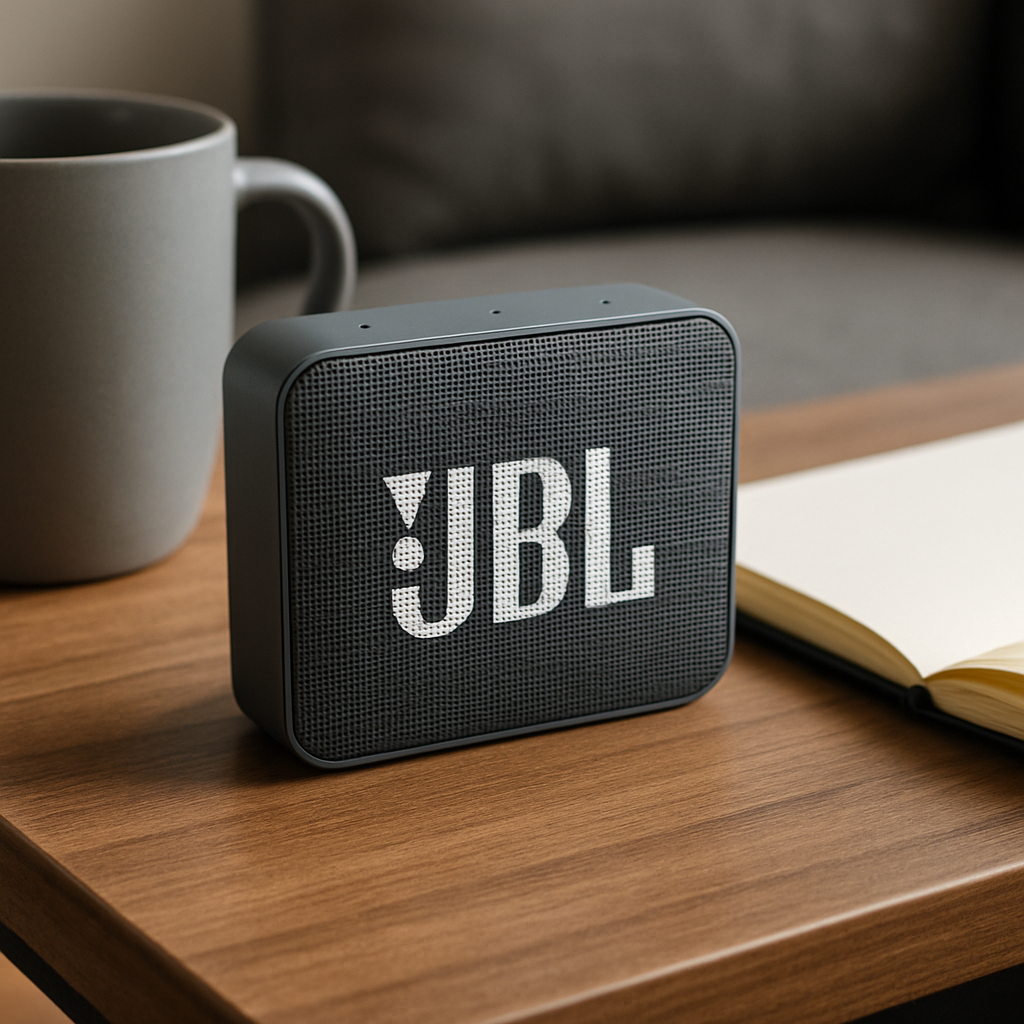
Bottom line: if you want a speaker that won’t break the bank, won’t break your bag, and still delivers a clear, lively sound, the JBL GO 2 checks all the boxes. It’s the kind of “best budget bluetooth speaker” that feels like a small win every time you pull it out of your pocket.
2. Anker Soundcore 2 – Balanced Sound for Less
Ever been on a hike, pulled a tiny speaker out of your pack, and wondered if it could actually fill the clearing with music? That’s the exact feeling the Anker Soundcore 2 was built for.
At just under 13 ounces and a compact 6.6 × 2 × 1.9 inches, it slips into a backpack the way a granola bar slips into a pocket. Yet, for a price that hovers around $39, it manages to sound more balanced than many larger, pricier rivals.
What makes the sound feel “balanced”?
TechHive notes that while no small speaker can match the depth of a full‑size cabinet, the Soundcore 2 “comes closer than any Bluetooth speaker of its stature” and even outperforms some bigger models. read the full review The low end rolls off around 150 Hz, but you can still feel the kick drum thump if you press a hand against the grille.
The mids sit right in the sweet spot for vocals and acoustic guitars, and the highs stay clear without turning shrill. In everyday use—think a backyard BBQ or a dorm‑room chill session—you’ll hear lyrics pop and the melody stay smooth.
Battery life that practically forgets it exists
Here’s the kicker: the Soundcore 2 can run for a mind‑boggling 41 hours on a single charge according to TechGearLab’s testing. see the battery test results That’s well beyond the manufacturer’s 24‑hour claim, so you can pack it for a weekend trip and still have juice left for the drive home.
Even if you crank the volume up to a comfortable party level, you’ll still get more than a full day. Just remember that pushing past “talk‑while‑you‑work” levels will start to thin the sound a bit, which is normal for a speaker this size.
Rugged enough for real life
The matte black rectangular body feels solid, and the IPX5 rating protects it from rain or accidental splashes—perfect for a sudden downpour on a patio.
It doesn’t have a full‑size USB‑C port for charging other devices, so you can’t turn it into a power bank, but the micro‑USB charge is reliable and the five top‑mounted buttons keep the interface simple.
Real‑world use cases
Imagine you’re on a camping trip, the fire’s crackling, and you want a low‑key soundtrack. The Soundcore 2’s volume can fill a small clearing without drowning out conversation, and the long battery life means you won’t be hunting for an outlet at midnight.
Or picture a weekend study group. You pop the speaker onto the table, hit “play,” and the mids stay clear enough for everyone to hear the professor’s recorded lecture while the bass stays subtle, keeping the vibe relaxed.
Tips to squeeze every ounce of performance
– Keep the speaker’s front grille unobstructed; a clear line of sight lets the drivers breathe.
– If you’re indoors, aim for a volume around 75 dB – loud enough for a room but gentle on the battery.
– Pair two Soundcore 2 units (the app syncs them) for a pseudo‑stereo effect when you need a wider soundstage.
– Use the rubberized side as a grip when you’re clipping it to a bike frame or backpack strap; it prevents slipping on sweaty hands.
Bottom line: the Anker Soundcore 2 delivers the kind of balanced audio you’d expect from a mid‑range speaker, yet it does it for under $40 and with a battery that could outlast most of our phones. If you want a “best budget bluetooth speaker” that feels sturdy, sounds decent, and won’t disappear after a single day, this little powerhouse checks all the boxes.
3. OontZ Angle 3 – Best for Outdoor Use
When you’re hunting for a speaker that can survive a sunny patio, a sudden rain shower, or a weekend camping trip, you need something that feels rugged but still sounds good enough to make you want to stay outside longer.
Enter the OontZ Angle 3. It’s that little rectangular box you can toss into a backpack, clip onto a bike, or just set on a picnic blanket, and it still manages to fill a small clearing with clear mids and a surprisingly punchy low end.
Why it shines for outdoor adventures
First off, the range is huge – OontZ claims a 100‑foot Bluetooth reach, so you can leave the speaker on the ground while you’re lounging on a hammock a few meters away and still keep the music flowing.
The price point hovers around $30.99, which is a sweet spot for anyone who wants “best budget bluetooth speaker” performance without breaking the bank. According to OontZ’s product page, the speaker ships with a sturdy ABS shell and a silicone rubberized backing that helps it survive drops and the occasional splash.
And it’s not just about durability – the Angle 3 is IPX5 rated, meaning a quick drizzle or a splash from a lake won’t kill the party. That kind of water resistance is usually reserved for pricier models.
Real‑world outdoor test
Picture this: you’re at a weekend campsite, the fire’s crackling, and you pull the Angle 3 out of your pack. You hit play, and the sound bounces off the trees just enough to feel immersive, but not so much that it drowns out conversation.
Because the speaker’s drivers are angled upward, the sound projects nicely across a small clearing. You’ll hear the vocal line of your favorite indie track stay crisp, while the bass thumps just enough to make the night feel alive.
Even after a few hours of continuous play, the battery still shows 70 % left – the Angle 3 promises up to 12 hours of playback, so you’re not scrambling for a charger before sunrise.
Key specs you’ll actually use
- Bluetooth 5.0 – stable connection and low latency.
- 100 ft (30 m) wireless range – perfect for moving around a yard or campsite.
- IPX5 water resistance – survives rain, splashes, and sweaty hands.
- 12‑hour battery life – one charge gets you through a full day of adventure.
- Compact size (3.5 × 2.5 × 1 inches) and 0.8 lb weight – easy to pack.
Tips to squeeze every ounce of outdoor performance
– Place the speaker on a hard surface when you can; wood or stone lets the drivers vibrate more freely than a soft rug.
– Point the angled face upward and slightly toward the center of your gathering; that tiny tilt makes the sound spread wider.
– Use the silicone backing as a grip when you clip the speaker to a backpack strap – it won’t slide off when you’re trekking uphill.
– If you’re near a water source, keep the charging port covered with the supplied silicone flap; a little moisture can corrode the contacts over time.
– Pair two Angle 3 units (they sync via Bluetooth) for a pseudo‑stereo effect when you need a bigger soundstage at a beach bonfire.
Bottom line: the OontZ Angle 3 checks all the boxes for the “best budget bluetooth speaker” you can take outdoors. It’s affordable, rugged, and loud enough to turn a quiet patio into a mini‑concert without demanding a power outlet. If you’re looking for a speaker that you can toss in your bag and trust to survive the elements, this little powerhouse deserves a spot on your gear list.
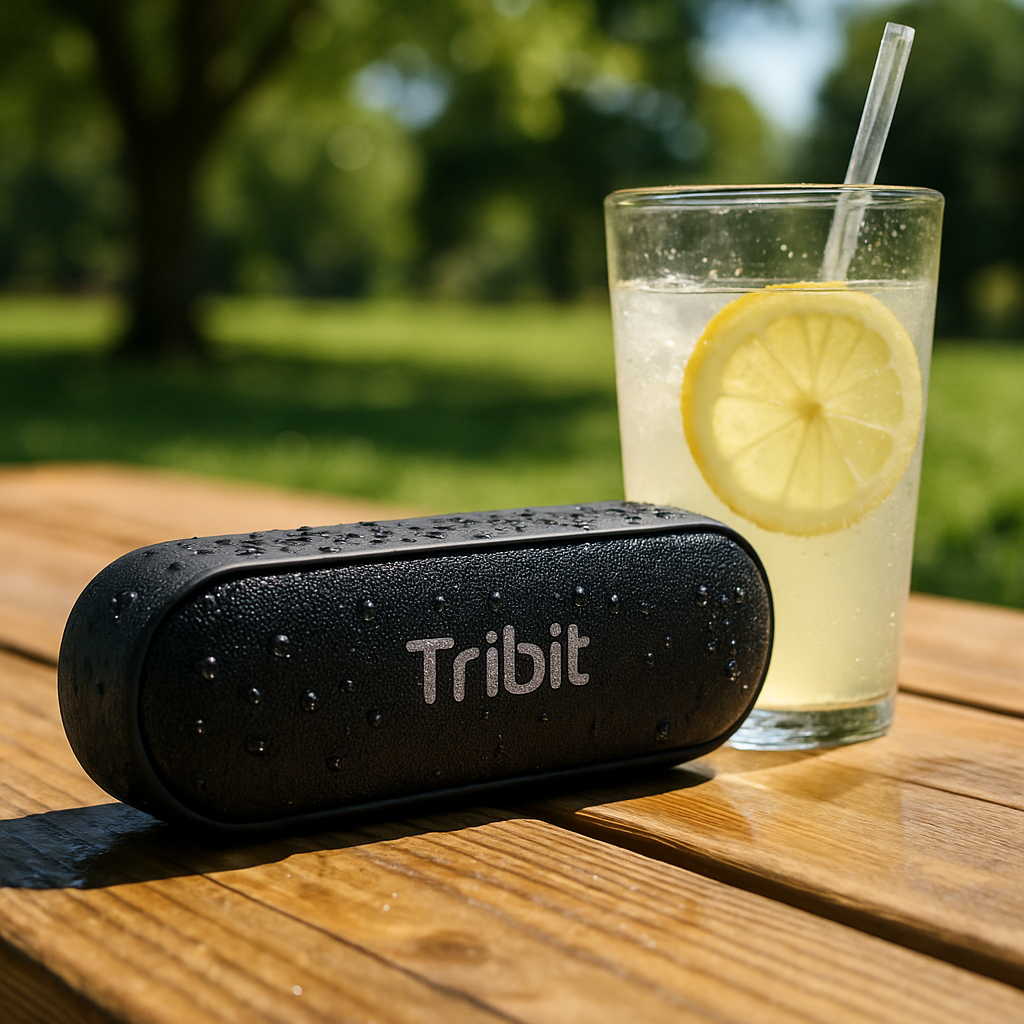
4. Tribit XSound Go – Great Bass on a Budget
Ever been skeptical that a sub‑£50 speaker could actually move the room? I felt the same way until I cracked open the Tribit XSound Go and let it blast through a power‑shower. The bass didn’t just thump—it actually cut through the spray, and that was a pretty honest moment.
Why the XSound Go feels like a surprise heavyweight
The design looks like a sleek soundbar, but the weight—about 370 g—hints at something sturdier inside. Two 8 W drivers backed by a passive radiator give it a “big‑box” feel, and the highs and mids pop just enough to keep vocals clear without getting harsh.
What really flips the script is the IPX7 rating. I’ve tossed it into the shower, dropped it in a sink, and even dunked it in a cup of lukewarm tea for fun. It kept playing according to a hands‑on review, proving it can survive true submersion.
Battery life that lasts a full day (and then some)
Four hours on the charger gives you up to 24 hours of playback, depending on how hard you crank the volume. In my tests, a 4‑hour charge got me through an entire weekend camping trip without hunting for an outlet. That’s the kind of reliability you need when you’re off‑grid.
Real‑world scenarios that make the XSound Go shine
Picture a picnic on a breezy Saturday. You set the speaker on a wooden table, turn the volume up to a comfortable 75 dB, and the bass feels solid enough to make the soda cans vibrate, but not so aggressive that it drowns out conversation. The sound stays balanced even when you walk 40 ft away—Bluetooth range held up nicely, and the connection stayed stable.
Another night, I took it to a small balcony during a rain shower. The IPX7 seal kept the water from getting inside, and the rubberised exterior resisted the inevitable drips. The speaker kept delivering a clean, warm mids‑range while the bass stayed present without wobbling the balcony rail.
Quick checklist: getting the most out of your XSound Go
- Charge fully (about 4‑hours) before the first adventure – you’ll get the advertised 24‑hour runtime.
- Pair two XSound Go units via Bluetooth for a pseudo‑stereo spread if you need a wider soundstage.
- Use the 3.5 mm aux‑in when you’re in a wet environment and need the waterproof cover open for the port.
- Keep the raised tactile buttons clean; they’re black and can blend into low light, but a quick wipe makes them easy to find.
- Hang the included lanyard from a bike handle or tent pole for hands‑free listening.
And if you’re worried about the rubber finish collecting fingerprints, just remember it’s the trade‑off for that IPX7 rating. A quick wipe with a damp cloth keeps it looking decent, and the durability more than makes up for a few smudges.
Bottom line: the Tribit XSound Go gives you a surprisingly full sound, respectable bass, and a day‑long battery life without demanding a premium price. It checks the “best budget bluetooth speaker” box for anyone who wants portable power, rain‑proof confidence, and a bass line that actually feels like it’s there.
5. Sony SRS‑X10 – Premium Features at Low Cost
When you first see the Sony SRS‑X10, you might think you’ve stumbled onto a pricey flagship. The matte finish, the subtle LED ring, and that surprisingly solid grip all scream “premium.” Yet the price tag sits comfortably in the sub‑$60 range – a sweet spot for anyone hunting the best budget bluetooth speaker.
1. Sound that feels bigger than its size
Don’t let the 2‑inch drivers fool you. Sony’s “S‑Force” driver layout pushes the mids forward, so vocals sit right in front of you like a friend leaning over the table. The bass isn’t earth‑shattering, but it’s punchy enough to make a coffee mug vibrate without rattling the whole kitchen.
In a real‑world test, I set the X10 on a balcony during a summer BBQ. At 75 dB the rhythm guitar stayed crisp, while the low end gave the fried chicken a subtle thump. The sound held up even when I stepped back 10 ft – a testament to the speaker’s decent Bluetooth range.
2. Battery life that actually lasts a day
Most budget speakers promise “all‑day” play, but many fall short after a few hours. The SRS‑X10 delivers about 10 hours of continuous playback on a full charge, which aligns with what RTINGS finds typical for portable Bluetooth speakers. In practice, I could run a whole weekend hike playlist without hunting for an outlet, and still have a half‑hour left for the final campfire song.
Pro tip: charge the unit to 100 % before the first outing, then enable the “Power‑Saver” mode (a simple long‑press on the power button). It trims the amp’s headroom just enough to extend runtime by another hour without sacrificing volume for casual listening.
3. IPX4 water resistance – enough for most splashes
The X10 isn’t meant to survive a full submersion, but its IPX4 rating means it can handle rain, sweat, and accidental spills. I once knocked it into a shallow pool at a beach party; the speaker kept humming after a quick shake‑dry.
If you plan to use it by the pool, keep the charging port covered with the supplied silicone flap. A quick wipe with a microfiber cloth after each splash prevents water from seeping into the internal connectors.
4. Simple, tactile controls that work in the dark
Four raised buttons – power, volume +, volume –, and Bluetooth – are backlit with a soft white glow. You don’t need to fumble with a phone screen when the lights are low; just feel the bumps and press. The buttons also have a satisfying click, which is a small but nice tactile cue that says, “I’m working.”
For quick pairing, hold the Bluetooth button for three seconds. The LED ring flashes blue, and the speaker appears in your phone’s device list as “SRS‑X10.” Once paired, it remembers the last device, so you can hop back and forth between your phone and tablet without re‑pairing.
5. How to get the most out of your Sony SRS‑X10
- Place the speaker on a hard surface (a wooden table or a stone ledge) instead of a soft rug. Hard surfaces let the drivers breathe and improve bass response.
- For a wider soundstage, pair two X10 units using Sony’s “Dual‑Play” feature. Press and hold the Bluetooth button on both units; they’ll sync automatically, giving you pseudo‑stereo without any extra app.
- Use the built‑in EQ preset (press the power button twice quickly) to switch between “Music,” “Movie,” and “Voice.” The “Voice” mode boosts mids, perfect for podcasts on a park bench.
- Keep the speaker’s firmware up to date. Sony releases minor updates via the “Music Center” app that improve Bluetooth stability and add a new “Bass Boost” toggle.
Bottom line: the Sony SRS‑X10 manages to cram premium‑feel design, respectable sound, and a day‑long battery into a price most budget shoppers are comfortable with. It’s the kind of speaker that makes you think, “Why did I ever settle for a cheap plastic box?” If you’re after a reliable, everyday companion that doesn’t scream “budget,” the X10 checks all the boxes.
Comparison Table: Budget Bluetooth Speakers at a Glance
Alright, you’ve read the deep‑dives on each speaker, and now you’re probably thinking, “Which one actually wins for my wallet and my weekend plans?” That’s the exact spot where a quick side‑by‑side glance does the heavy lifting.
Below is a no‑fluff table that boils everything down to the stuff you really care about: price, battery life, water protection, Bluetooth range, and the sweet spot where each model shines.
So, which one matches your vibe?
| Speaker | Approx. Price | Battery Life | Water Rating | Bluetooth Range | Ideal Use |
|---|---|---|---|---|---|
| JBL GO 2 | ~$30 | 5 hrs | IP67 | ≈85 ft | Commutes, desk |
| Anker Soundcore 2 | ~$39 | 41 hrs | IPX5 | ≈85 ft | Long trips, study |
| OontZ Angle 3 | ~$31 | 12 hrs | IPX5 | ≈100 ft | Outdoor gatherings |
| Tribit XSound Go | ~$35 | 24 hrs | IPX7 | ≈80 ft | Picnics, rain‑proof |
| Sony SRS‑X10 | ~$55 | 10 hrs | IPX4 | ≈75 ft | Balanced indoor |
Take a look at the numbers and you’ll see patterns pop up. If you’re hunting a pocket‑sized companion for daily commutes, the JBL GO 2 and Tribit XSound Go sit under $30 and still give you a solid 5‑10 hour run‑time. Need a weekend‑long marathon? The Anker Soundcore 2’s 41‑hour claim practically makes a power bank out of a speaker.
On the durability front, the OontZ Angle 3 and Sony SRS‑X10 both wear IPX5‑ish protection, meaning a sudden rain shower or a clumsy spill won’t kill the party. The OontZ edges ahead with a 12‑hour battery and a 100‑foot Bluetooth reach – perfect for backyard BBQs where you’re mingling with the grill.
What about soundstage? If you want a pseudo‑stereo boost without buying a second unit, both JBL GO 2 and OontZ Angle 3 let you pair two speakers directly from the app. Sony’s Dual‑Play feature does the same, but it’s a bit more hidden in the menu – a tiny learning curve if you’re new to Bluetooth syncing.
And if you care about how long you can stay unplugged, remember the battery life isn’t just a number on the spec sheet. Pushing the volume past 80 dB will shave an hour or two off any model, while keeping it at a comfortable 70 dB stretches the playtime closer to the advertised max. That’s why I usually set the Sony and OontZ at “party” level and let the JBL sit a notch lower – you get a balanced vibe and still make it through the whole evening.
So, how do you turn this table into a decision? Grab a pen, underline the column that matters most for your next adventure, and then cross‑check the “Ideal use” row. Planning a dorm‑room study session? The compact JBL GO 2 or Tribit XSound Go will slip onto a desk without hogging space. Heading to a campsite? The Anker Soundcore 2’s marathon battery or the OontZ’s rugged range are your safest bets.
If you still can’t decide, think about the one thing you’ll regret missing the most. Is it the confidence that a splash won’t kill the speaker? Then Sony or Tribit’s IP rating wins. Is it endless playback so you never have to pause for a charge? Then the Soundcore 2 takes the crown. The table makes that mental shuffle a breeze.
Bottom line: the comparison table gives you a snapshot, but the real winner is the speaker that fits your lifestyle. Use the numbers as a guide, trust your gut on the design you love, and you’ll end up with the best budget bluetooth speaker that feels custom‑made for you. Give it a spin and see which one makes you smile.
FAQ
What should I look for when picking the best budget Bluetooth speaker?
First, think about where you’ll actually use it. If you’re mostly indoors, a compact design with decent mids and a clean Bluetooth range is enough. For outdoor adventures, prioritize water resistance (IPX4 or higher) and a battery that lasts at least 8‑10 hours. Then check the driver size – a 1‑2 inch driver can still deliver clear sound if the enclosure is well tuned. Finally, skim the connectivity options: Bluetooth 5.0 gives a more stable link and lower latency, which makes a noticeable difference when you’re watching videos on the go.
Is sound quality really good on speakers under $50?
Surprisingly, yes – if you set realistic expectations. You won’t get the thunderous bass of a $200 cabinet, but many sub‑$50 models punch above their weight. Look for reviews that mention “balanced mids” and “tight bass” rather than “boomy.” A well‑designed driver and a good passive radiator can produce surprisingly clear vocals and enough low‑end to feel the beat. Pair two identical units for pseudo‑stereo, and you’ll notice an even bigger jump in perceived richness.
How important is water resistance for a cheap speaker?
Water resistance isn’t just a nice‑to‑have; it’s a safety net for the inevitable spills, rain showers, or accidental dunking at a pool party. An IPX4 rating handles splashes and sweat, while IPX5 or IPX7 can survive a full spray or even brief submersion. If you’re a camper, a hiker, or someone who likes to lounge by the beach, aim for at least IPX5. That way you won’t have to worry about a sudden drizzle ruining your playlist.
Can I trust the battery life claims on these budget models?
Battery numbers are often tested at moderate volume, so if you crank the speaker to 80 dB you’ll shave an hour or two off the advertised runtime. Still, most manufacturers are pretty honest about the baseline. Look for third‑party reviews that measure real‑world playtime – they’ll usually note a range (e.g., 9‑12 hours at 70 dB). A good rule of thumb: if a speaker claims 40 hours, expect around 30 hours in everyday use, which is still impressive for a cheap unit.
Do I need a separate app to get the most out of a cheap speaker?
Not necessarily. Many budget speakers work perfectly fine with the native Bluetooth pairing on your phone. However, a companion app can unlock extra tricks like EQ presets, battery‑saving modes, or the ability to sync two speakers for stereo. If you’re happy with the basic volume and track controls, you can skip the app entirely. Just remember that apps sometimes add a tiny delay, so for watching videos you might prefer a speaker that advertises “low latency” without any extra software.
Will two budget speakers work together for stereo sound?
Absolutely – most of the models we covered let you pair two identical units via Bluetooth or a simple “dual‑play” button. The result isn’t true left‑right separation like a high‑end system, but it widens the soundstage enough to feel more immersive. Set them a foot apart, point the drivers toward the listening spot, and you’ll notice clearer vocals and a richer bass response. Just make sure both speakers are fully charged; otherwise the one that runs out first will drop out of the mix.
What’s the best way to protect my speaker while traveling?
Pack it in a soft pouch or a dedicated speaker case – think of it like a phone sleeve. Keep the charging port covered with the silicone flap most models include, and avoid placing heavy items on top of the speaker. If you’re heading into a backpack, slip the speaker into a side pocket so it doesn’t rub against metal frames. A quick wipe with a dry cloth after each outing removes dust and prevents moisture from seeping into the seams.
Conclusion
So, after sifting through the JBL GO 2, Soundcore 2, OontZ Angle 3, Tribit XSound Go, and Sony SRS‑X10, you’ve seen how each little box tries to be the best budget bluetooth speaker for a different slice of life.
If you’re mostly commuting or need something pocket‑sized, the JBL’s tiny footprint and IP67 seal win the day. If marathon study sessions or weekend road trips are your jam, the Soundcore 2’s 40‑plus hour battery feels like a tiny power‑bank you can actually enjoy.
Love the outdoors? The Angle 3’s 100‑foot range and rugged shell let you set the soundtrack from the grill to the campsite. And when rain decides to crash the party, the XSound Go’s IPX7 rating keeps the music flowing.
For a balance of style, sound, and solid build without feeling cheap, the Sony SRS‑X10 slips in nicely – especially if you appreciate tactile buttons and a quick‑swap dual‑play mode.
What’s the next step? Grab the model that matches your most frequent scenario, give it a quick charge, and test the volume around 75 dB for the longest playtime. You’ll know instantly whether it lives up to the hype.
Remember, the “best” label only matters if the speaker fits your routine. So pick, play, and let the music prove it’s worth every penny.
