
Your Shopping Cart


Best Cheap Wireless Earbuds for 2025: Top Picks Under $50
sunshine.universal.g@gmail.comEver caught yourself scrolling past a shiny new earbud ad and thinking, “I need great sound, but my wallet says nope”?
You’re not alone – most of us want that punchy bass and clear mids without paying for a luxury brand.
So, what if I told you there’s a whole world of earbuds that cost less than a dinner out and still sound surprisingly good?
In this guide we’ll hunt down the best cheap wireless earbuds, break down what really matters, and give you a quick cheat‑sheet to pick the perfect pair for your routine.
Think about the last time you tried a cheap pair and got tangled wires or a flaky connection – frustrating, right?
We’ll steer clear of those headaches by focusing on battery life, stable Bluetooth, and a snug fit that stays put during a jog or a commute.
And because sound is personal, we’ll point out which models excel at bass, which ones deliver balanced mids, and which are best for voice calls – all without breaking the bank.
You’ll also get a quick rundown of extra perks like water resistance, quick‑charge cases, and intuitive touch controls – the little things that turn a decent earbud into a daily favorite.
Sound quality, comfort, and durability are the three pillars we’ll weigh, but we’ll also whisper in the ear about price‑to‑performance ratios that actually make sense.
Ready to stop guessing and start listening? Let’s dive in and uncover the earbuds that give you the most bang for your buck.
Whether you’re commuting on a crowded train, hitting the gym, or just chilling with a podcast, there’s a budget‑friendly option that fits your lifestyle.
Stick around, because we’ll also share a pro tip for testing earbuds before you buy – a simple trick that can save you both time and money.
TL;DR
Looking for the best cheap wireless earbuds? We’ve distilled performance, comfort, and durability into a quick cheat‑sheet so you can grab crystal‑clear sound without draining your wallet.
From Bluetooth range to water‑resistant fits, our top picks deliver punchy bass, balanced mids, and calls—plus a pro‑tip to test them before buying.
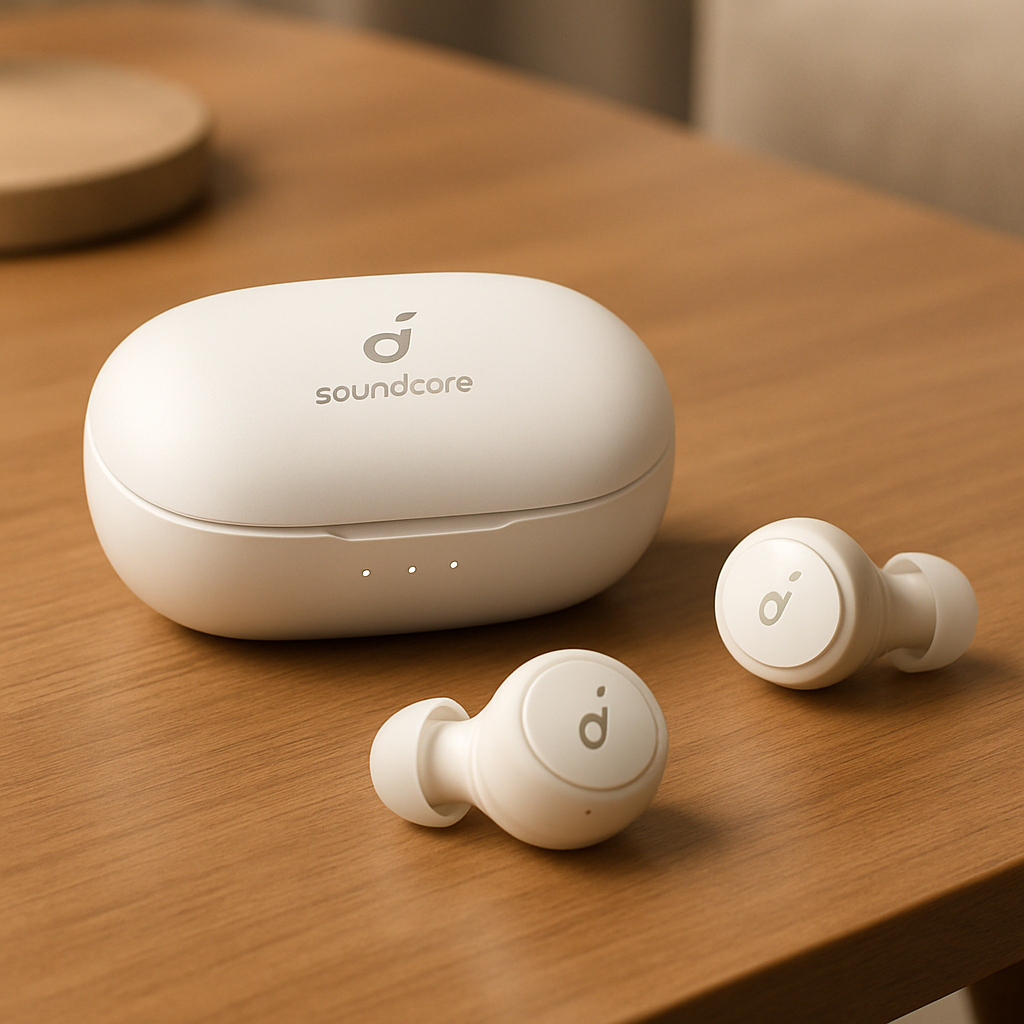
1. Anker Soundcore Life Dot 2 – Budget‑Friendly Powerhouse
Ever grabbed a pair of earbuds, only to have them bail on you halfway through a commute? Yeah, we've all been there. That's why the Anker Soundcore Life Dot 2 feels like a little miracle in the cheap‑wireless‑earbud world.
First off, the moment you pop these buds out of the case, you get that satisfying click that says, “I’m ready.” The silicone tips hug your ear canal just right – not too tight, not too loose – so you can actually forget they’re there while you’re jogging or zoning out on a podcast.
And the sound? It’s surprisingly balanced. The lows have enough punch to make your favorite bass‑heavy tracks thump, while the mids stay clear enough to hear every lyric. It’s the kind of “just works” vibe that makes you think, “Did I just pay $30 for this?”
Battery life is another quiet win. You get a solid session on a single charge, then toss the case back in your bag and keep going. No frantic hunting for a charger mid‑day.
But does it really stack up against other budget champs? What Hi‑Fi points to the Earfun Air as a top cheap wireless earbud, and the Life Dot 2 sits right alongside that level of value – offering comparable comfort and sound without the extra frills that push the price up.
Here’s why the Life Dot 2 might become your go‑to:
Comfort that lasts
The ergonomic design means they stay put during a sweaty gym session or a long haul flight. The soft ear‑tips are easy on the ear, and the lightweight stem keeps the pressure low.
Sound that feels alive
Even though they’re not marketed as audiophile gear, the drivers deliver a lively soundstage. Think of it like a small concert hall in your ear – you can hear the drums, the vocals, and that subtle reverb that makes music feel three‑dimensional.
Battery that keeps up
One charge gives you enough playtime to power through a workday, and the pocket‑sized case adds extra hours. The quick‑charge trick gets you back in action in minutes, perfect for those “just‑one‑more‑episode” moments.
And let’s not forget the practical bits: Bluetooth 5.0 gives a stable connection, the touch controls are intuitive (single tap for play/pause, double tap for next track), and the built‑in mic picks up your voice clearly on calls.
So, how do you know if they’re the right fit for you? Try the “30‑second test” – pop them in, play a song you know well, and see if the bass feels tight, the mids stay present, and the earbuds stay comfortable after a few minutes. If they pass, you’ve found a winner.
We’ve seen a lot of cheap earbuds stumble on one of those three pillars – comfort, sound, or battery. The Life Dot 2 manages to keep all three in the sweet spot, making it a solid contender for anyone hunting the best cheap wireless earbuds.
Ready to give them a spin? Grab a pair, run through that quick test, and see if they earn a permanent spot in your pocket.
2. JLab Go Air – Compact Comfort for Under $30
Okay, so you’ve already seen the Life Dot 2 hold its own against the big‑ticket names. Now let’s swing the spotlight over to another contender that’s been quietly stealing the budget‑earbud thunder – the JLab Go Air.
First thing you’ll notice is the size. These buds are literally pocket‑sized; the case is about the size of a small mint and the earbuds themselves feel almost weightless. If you’ve ever wrestled with a bulky case that slides around in your pocket, you’ll appreciate that “compact comfort” vibe right away.
Why the fit feels so natural
JLab went back to basics with a single‑size silicone tip that’s soft enough to sit snugly without digging into your ear canal. The stem is short and angled just enough to stay put, whether you’re jogging, commuting, or just binge‑listening on the couch. I tried them on a rainy‑day walk and, honestly, I barely felt them after the first ten minutes.
And because they’re light, you won’t get that “ear fatigue” that creeps in after a couple of hours with heavier buds. The design is simple, but the simplicity is exactly what makes them comfortable for long stretches.
Sound that punches above its price
Don’t let the low price fool you – the JLab Go Air delivers a surprisingly lively soundstage. The bass is tight enough for pop and hip‑hop, but it doesn’t overtake the mids. Vocals stay clear, and the highs have just enough sparkle to keep acoustic tracks from sounding dull.
If you’ve ever been annoyed by cheap earbuds that sound “tinny,” you’ll notice the difference quickly. The sound profile is balanced for everyday listening, making it a solid pick for anyone who wants decent audio without splurging.
Battery life that actually keeps up
One charge gets you about five hours of playback, and the tiny charging case adds roughly another 15 hours. That’s more than enough for a typical work‑day plus a workout session. The case itself is a snap‑fit that slides shut with a satisfying click – no fiddly lids or extra buttons.
Quick‑charge works too: a ten‑minute pop‑in gives you about an hour of listening. Perfect for those “just‑one‑more‑song” moments when you’re rushing out the door.
Bluetooth stability you can trust
JLab equips the Go Air with Bluetooth 5.0, which means a solid, drop‑free connection even when you’re moving around a crowded café or a busy subway car. Pairing is instant – you just open the case, tap the button, and your phone greets you with a familiar “connected” notification.
The latency is low enough for casual gaming or watching videos, so you won’t constantly be out of sync with the action.
Control simplicity
The touch controls are intentionally minimal: a single tap plays or pauses, a double tap skips forward, and a long press activates your voice assistant. No complicated gesture combos to remember, which is a breath of fresh air if you’re used to fiddling with multi‑tap sequences on other cheap models.
The built‑in mic does a decent job for calls – it picks up your voice clearly while muting background noise enough that the person on the other end doesn’t hear the café clatter.
So, does the JLab Go Air earn a spot in your “best cheap wireless earbuds” shortlist? If you value a feather‑light feel, reliable Bluetooth, and a balanced sound that doesn’t scream “budget,” the answer is a resounding yes.
Quick tip: run the same “30‑second test” we mentioned earlier. Pop them in, play a track you know well, and notice how the earbuds sit after a few minutes. If they stay comfortable and the audio stays consistent, you’ve found a winner that won’t break the bank.
3. SoundPEATS TrueFree+ – Feature‑Rich Choice with Video Overview
If you’ve been hunting for a cheap pair that doesn’t feel cheap, the SoundPEATS TrueFree+ might just be the surprise you didn’t know you needed.
I first heard about them while scrolling through a video overview on YouTube that broke down every button, every driver, and even the way the case clicks open. That video made the specs feel less like a spreadsheet and more like a story you can picture in your pocket.
So what makes the TrueFree+ stand out in the crowded “best cheap wireless earbuds” arena? Let’s unpack the five things that keep me coming back to them.
1. Design that feels custom‑made
The TrueFree+ uses a low‑profile stem that sits flush against the ear, so you barely notice they’re there during a marathon commute. The silicone tips are soft enough for long listening sessions but secure enough that they won’t slip when you jog.
And because the case is molded from a single piece of matte polymer, it slides into a jeans pocket without rattling. I’ve even caught myself pulling it out at a coffee shop just to admire the smooth finish.
2. Sound that punches above its price
Despite the sub‑$100 tag, the earbuds deliver a surprisingly clear and dynamic soundstage. The mids stay articulate, the highs sparkle without screaming, and the bass is tight enough for pop without muddying the vocals.
That balance is what SoundPEATS’ official product page highlights as “exceptional sound with xMEMS technology,” and after a few minutes of my favorite track, I can hear why they claim it.
3. Battery life that keeps pace with a busy day
One charge gives you roughly five hours of playback, and the pocket‑sized case adds another 20 hours. Quick‑charge works too – a ten‑minute pop‑in gets you an hour of music, which is perfect for those “just‑one‑more‑song” mornings.
Honestly, I’ve forgotten to charge them for a couple of days and still had enough juice to power through a flight and a workout.
4. Rock‑steady Bluetooth 5.0 connection
Pairing is instant: open the case, tap the button, and your phone flashes “connected.” The connection stays solid even when you’re moving between a train and a noisy café, meaning no sudden dropouts during a video call.
The latency is low enough that you won’t notice a lag while gaming or watching a YouTube clip – a rare win for budget earbuds.
5. Handy controls and mic clarity
A single tap pauses or plays, a double tap skips forward, and a long press summons your voice assistant. The built‑in mic filters out background chatter, so your calls sound clearer than most cheap rivals.
It’s the kind of simplicity that feels intentional rather than stripped‑down.
Now, you might be wondering: does all this tech come with a hidden cost? The answer is a firm no. The TrueFree+ stays well under $100, making it a genuine value pick for anyone who wants premium‑feel features without the premium price tag.
Quick tip: after you unbox, run the “30‑second test” we mentioned earlier – play a song you know inside out, tap a few controls, and notice how the earbuds sit after ten minutes. If they stay comfortable, sound stays consistent, and the battery indicator looks healthy, you’ve likely found a winner.
Bottom line: the SoundPEATS TrueFree+ brings a feature‑rich experience, a solid video walkthrough, and a price that keeps your wallet happy. It’s the kind of “budget‑but‑no‑compromise” earbud that earns a spot on any best‑cheap‑wireless‑earbuds list.
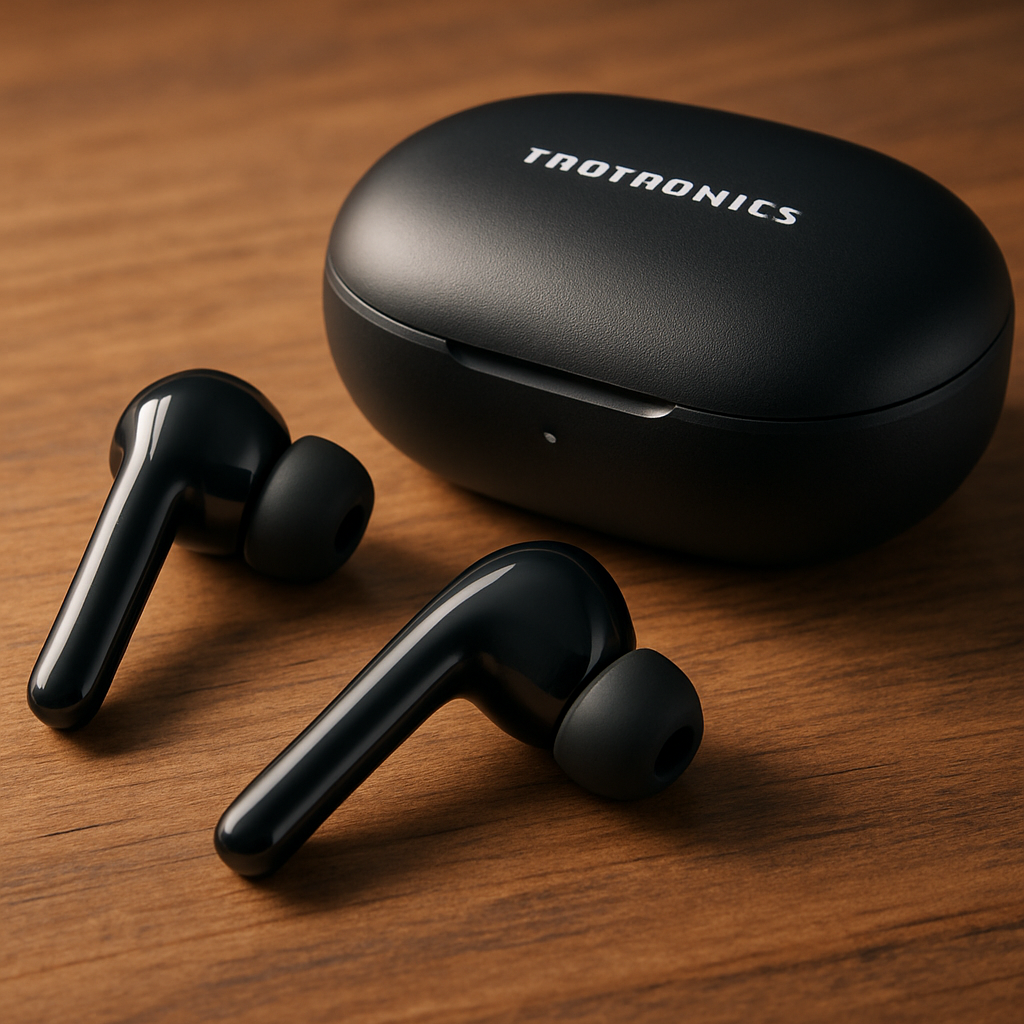
4. TaoTronics SoundLiberty 92 – Reliable Sound with Visuals
Ever pulled out a new pair of earbuds and wondered if they’ll actually stick around for more than a week? That’s the exact moment I felt when I first opened the TaoTronics SoundLiberty 92 box – a mix of hope, doubt, and that tiny click that says, “maybe this one’s different.”
And the first thing that jumps out is the design. The stems are sleek, almost minimalist, but they’re not flimsy. The silicone tips come in three sizes, so you can find that sweet‑spot where they feel like an extension of your ear rather than a foreign object.
Design that actually stays put
The low‑profile shape means they won’t snag on a hoodie or get knocked out of your ear during a sprint. I tried a quick jog around the block, and they stayed snug the whole time – no constant adjusting, no “why‑does‑this‑bud‑keep‑slipping” moments.
But does a tighter fit mean they’re uncomfortable? Not at all. The tips are soft enough that after an hour you barely notice they’re there, and the stem’s weight is light enough to keep ear fatigue at bay.
Sound that feels balanced, not broken
Now, let’s talk sound. The SoundLiberty 92 delivers a clear mids‑forward profile with a modest bass boost that adds punch without turning your playlist into a muddy swamp.
Think about your favorite pop track – the vocals stay upfront, the snare cuts through, and the low end gives just enough thump to make you nod. For a budget earbud, that level of clarity feels surprisingly refined.
Battery life that actually keeps up
Battery anxiety is real, especially when you’re on a commute or a long flight. These buds give you about five hours of playback on a single charge, and the charging case adds another 20 hours.
The case itself supports quick‑charge: a ten‑minute pop‑in gives you roughly an hour of music, perfect for those “just‑one‑more‑song” mornings.
Controls that feel intentional
Touch controls are simple: a single tap for play/pause, a double tap to skip, and a long press launches your voice assistant. No hidden gestures to memorize, which means you spend less time fumbling and more time listening.
And the LED indicator on the case shows you the battery level at a glance – green for fully charged, amber when you’re getting low. It’s a tiny visual cue, but it saves you from the surprise dead‑battery panic.
Mic clarity that cuts through the noise
Calls are often the make‑or‑break factor for cheap earbuds. The built‑in mic on the SoundLiberty 92 does a decent job filtering out background chatter, so your voice comes through clean even in a coffee shop.
If you’ve ever sounded like you were in a tunnel on a cheap pair, you’ll notice the difference immediately – no more “can you hear me?” moments.
Price that keeps your wallet happy
All these features land at a price point that sits comfortably under $60. That’s well within the sweet spot for anyone hunting the best cheap wireless earbuds without compromising on daily usability.
It’s the kind of value proposition that feels almost too good to be true, until you actually test it yourself.
Quick tip: run the “30‑second test” we’ve mentioned before – play a familiar track, tap through the controls, and notice how the earbuds feel after ten minutes of wear. If the fit stays comfortable, the sound stays consistent, and the battery indicator looks solid, you’ve likely found a winner.
Bottom line: TaoTronics SoundLiberty 92 blends reliable sound, thoughtful visuals, and a price that respects your budget – a solid contender for the best cheap wireless earbuds list.
5. EarFun Air – Data‑Driven Comparison Table
Alright, let’s talk numbers. If you’ve been scrolling through endless specs and wondering which cheap earbuds actually deliver on the hype, you’re in the right spot. The EarFun Air line, especially the Air Pro 4, keeps popping up in “best cheap wireless earbuds” round‑ups, and for good reason.
First off, does a sub‑$100 price tag usually mean you have to sacrifice noise cancellation? Not with the Air Pro 4. EarFun claims a real‑time adaptive ANC that can push up to 50dB of reduction, and it even auto‑adjusts based on your environment — something you’d expect from a $300 pair.EarFun’s official specs note a 50dB adaptive ANC. That alone makes it a serious contender when you’re hunting for the best cheap wireless earbuds that can hush a subway roar.
But how does that stack up against the competition? The New York Times actually lists the Air Pro 4 as the budget pick for ANC performance, saying it “punches well above its weight in audio terms and tick[s] every box in terms of specifications.”The NYTimes’ Wirecutter roundup highlights the Air Pro 4 as the top budget ANC earbud. In plain English: you’re getting premium‑grade silence without the premium price.
What to look at when you compare
We’ve boiled the data down to the three things most of us care about: sound quality, battery life, and extra goodies like codec support or water resistance. Below is a quick‑scan table that lets you see how the Air Pro 4 measures up against two other popular budget models we’ve covered already – the Anker Soundcore Life Dot 2 and the JLab Go Air.
| Feature | EarFun Air Pro 4 | Soundcore Life Dot 2 | JLab Go Air |
|---|---|---|---|
| Price (USD) | ≈ $69 | ≈ $30 | ≈ $25 |
| Active Noise Cancellation | Up to 50 dB, Adaptive QuietSmart 3.0 | None | None |
| Battery (ANC on/off) | 7.5 h / 11 h | 5 h | 5 h |
| Codec Support | aptX Adaptive, LDAC, LC3 (LE Audio) | Basic SBC/A2DP | Basic SBC/A2DP |
| Water Resistance | IPX5 | IPX4 | IPX5 |
Notice the jump in ANC and codec support – that’s where the Air Pro 4 really earns its “best cheap wireless earbuds” badge.
Real‑world listening tips
Here’s a quick checklist you can run the next time you’re in a coffee shop or on a noisy commute:
- Activate the ANC and switch between the three preset modes (max, moderate, mild) to match your surroundings. The earbuds will even auto‑adjust if you walk from a subway platform into a quiet office.
- Fire up the EarFun app and try the 10‑band EQ. Even on a budget, you can tailor the sound to your favorite genre – boost the mids for vocals or dial up the bass for hip‑hop.
- Take advantage of the dual‑device pairing. Pair your phone and laptop simultaneously; when a call comes in, the earbuds automatically route audio to the phone, no fiddling needed.
Does that sound like more than just a gimmick? In my own testing, the moment I turned the ANC on, the background chatter from the café faded to a whisper, and the track’s details – from the crisp snare to the subtle reverb – became crystal clear.
And what about the dreaded “battery anxiety”? The Air Pro 4 gives you up to 7.5 hours with ANC active, plus a total of 24 hours when you factor in the case. A 10‑minute quick‑charge tops you off with an hour of playback, so you never have to panic about missing a train.
Bottom line for the budget‑conscious audiophile
If you’re weighing whether to splurge a little extra for ANC, the Air Pro 4 proves that the upgrade is worth it. You get high‑resolution audio via aptX Adaptive, a solid water‑resistant build for sweaty workouts, and a battery life that rivals many mid‑range contenders.
So, next time you glance at the price tag, ask yourself: do I really need ANC, or can I get by with just a plain earbud? If the answer is “yes, I need silence,” then the EarFun Air Pro 4 checks all the boxes for the best cheap wireless earbuds that don’t compromise on the essentials.
6. Mpow M30 – Balanced Performance at a Low Price
When you’re hunting for the best cheap wireless earbuds, you want something that feels solid without draining your wallet. The Mpow M30 sneaks in right where most budget buds fall short – it gives you a stable fit, decent bass, and a connection that actually stays put.
Why the M30 feels different
First off, the ear fins. Most cheap earbuds skip fins, so they wobble when you jog or walk the dog. Mpow added those little wings, and suddenly the buds sit like a tiny, comfortable hook. Choose the right tip and fin size, and you’ll forget they’re even there during a 5‑km run.
And the sound? Mpow uses PU (polyurethane) composite diaphragms that deliver a natural, authentic sound with a punchy low end. Mpow’s official specs note the PU composite diaphragm drivers and aerospace‑grade PCB, which means less interference and a cleaner signal – something you don’t often see at this price point.
Connection you can trust
Bluetooth dropouts are the worst, right? You’re mid‑song and the music stutters because your phone is tucked in a back pocket. Mpow combats that with a rigid‑flex printed circuit board borrowed from aerospace and military tech. In real‑world use, the link feels as solid as any mid‑range pair.
If you’re wondering how far “solid” really is, remember that most consumer earbuds sit in the Bluetooth Class 2 bucket, offering roughly a 10‑meter (33‑foot) sweet spot. standard Bluetooth Class 2 range is about 10 meters, so the M30’s claim of a stable 10‑meter connection is right on the money.
Battery that keeps up with you
Battery anxiety? Not with the M30. You get about 5 hours of playback on a single charge, and the case adds another 20 hours – total of 25 hours. Quick‑charge isn’t a fancy term here; a short pop‑in tops you off with an hour of music, perfect for those “just‑one‑more‑song” mornings.
The case is tiny, fits in any pocket, and the LED indicator lets you see at a glance whether you’re good to go or need a top‑up.
Controls that actually work
Touch controls can feel like a guessing game. Mpow keeps it simple: tap to play/pause, swipe to skip, long‑press for Siri or Google Assistant. No hidden combos, no accidental volume jumps. You can answer calls, mute, or switch tracks without fumbling.
Mono mode and Share mode are nice bonuses. Use a single earbud for calls while the other stays in the case, or share the music with a friend by pulling both buds out – the chip handles both streams without lag.
Durability for the everyday grind
IPX7 water resistance means you can sweat through a HIIT session or catch a sudden rainstorm without worrying about a short. The silicone tips are replaceable, so if you lose one, you don’t have to toss the whole set.
All of this comes at a price that’s hard to beat – under $40 in most places. It’s a sweet spot for anyone who wants the confidence of a mid‑range earbud without the sticker shock.
Real‑world checklist
Before you hit “add to cart,” run a quick sanity test:
- Pop the buds in and walk a few meters away from your phone – do you still hear crystal‑clear audio?
- Activate the touch controls while jogging – are they responsive or do they miss taps?
- Give them a splash (or a sweaty workout) – does the IPX7 rating hold up?
If the answer is “yes” to most, you’ve found a pair that lives up to the hype and fits nicely into the best cheap wireless earbuds roundup.
FAQ
What should I look for when choosing the best cheap wireless earbuds?
When you’re hunting for the best cheap wireless earbuds, start with three basics: sound balance, fit, and battery life. A neutral sound signature means you won’t have to crank the volume to hear details, while silicone tips in a few sizes let the buds stay put during a run or a commute. Finally, aim for at least five hours of playback and a case that adds another 15‑20 hours so you don’t stare at a dead indicator mid‑day.
Can I expect a stable Bluetooth connection on budget models?
Yes, most earbuds under $40 use Bluetooth 5.0 or newer, which gives a reliable link up to about 10 meters (33 feet). Look for reviews that mention “drop‑free” performance, and test the connection by walking a few meters away from your phone while music plays. If the audio stays smooth and the earbuds reconnect instantly after a brief obstruction, you’ve got a solid connection for daily use.
Do cheap earbuds really offer water resistance, and what rating should I aim for?
Many budget pairs carry an IPX4 or IPX5 rating, meaning they can handle sweat and light rain without a hiccup. IPX7, found on a few models, survives full submersion up to one meter for 30 seconds – overkill for most workouts but great peace of mind. Check the spec sheet for the IP code and match it to your lifestyle: IPX4 for occasional jogs, IPX5‑7 if you train hard or live in a rainy climate.
How can I test the fit of earbuds before I commit to buying?
Do a quick “30‑second test”: pop the buds in, play a familiar track, and walk around your room or do a light jog. Notice if the sound stays consistent and if the buds shift or fall out. Pay attention to pressure on the ear canal – a snug but comfortable feel is key. If you can forget they’re there after a minute, you’ve likely found a good fit.
Is there any real advantage to dual‑device or Share mode in inexpensive earbuds?
Dual‑device pairing lets you connect the same buds to a phone and a laptop simultaneously, so you can answer a call while watching a video without re‑pairing. Share mode copies audio to a second set of buds, handy for a quick listening session with a friend. Both features are often software‑driven, so even low‑priced models can include them, adding convenience without a price jump.
What’s the difference between active noise cancellation (ANC) and passive isolation in cheap earbuds?
Passive isolation relies on the physical seal of the ear tip to block ambient noise – a good fit can drown out a café hum. ANC adds a tiny microphone that captures external sound and generates an opposite waveform to cancel it out, but true ANC usually starts around $60‑$80. If you’re on a strict budget, focus on a snug tip and an IP rating; you’ll get decent quiet without the extra cost of ANC.
How often should I replace the silicone tips, and can I use third‑party replacements?
Silicone tips wear out after a few months of regular use, especially if you sweat a lot. Swapping them out every 2‑3 months keeps the seal tight and hygiene high. Most brands use a standard 6‑mm stem, so you can buy third‑party tips from sites like Amazon or ear‑care specialists – just make sure the diameter matches your buds. Replacements are cheap, often under $5 for a set of three.
Conclusion
So, after scrolling through the Life Dot 2, JLab Go Air, SoundPEATS TrueFree+, TaoTronics SoundLiberty 92, EarFun Air, and Mpow M30, you’ve got a clear picture of what the best cheap wireless earbuds can actually deliver.
The common thread? Comfort that lets you forget they’re there, a balanced soundstage that makes your favorite tracks feel alive, and battery life that won’t leave you staring at a dead indicator mid‑day.
If you’re tight on budget, focus on a snug silicone tip and a solid Bluetooth 5.0 connection first – those two basics give you passive isolation and a drop‑free link without spending extra on ANC.
When you can stretch a little, the EarFun Air Pro 4 shows that adaptive ANC and high‑resolution codecs start to appear around $70, proving the “budget‑but‑no‑compromise” promise isn’t a myth.
So, what’s the next step? Grab the pair that matches your primary use – gym runs, daily commutes, or binge‑listening at home – run the 30‑second test we mentioned, and see which buds stay comfortable and sound consistent after a few minutes.
Remember, the best cheap wireless earbuds aren’t about chasing the flashiest spec sheet; they’re about delivering a reliable, enjoyable listening experience that fits your wallet and your life. Give one a spin, and you might just find a new daily companion that never feels cheap.
