
Your Shopping Cart


Top 7 Affordable Slow Juicers for Healthier Living
sunshine.universal.g@gmail.comEver stood in the kitchen, dreaming of fresh juice but feeling the sting of pricey appliances?
We’ve all been there, scrolling past glossy ads that promise a health‑boosting elixir, yet the price tag makes us pause.
What if I told you there’s a way to get that slow‑pressed goodness without breaking the bank?
That’s the sweet spot we’re hunting in this guide: the affordable slow juicer that actually delivers the taste and nutrients you crave.
I’ll walk you through the key features that matter—quiet motor, gentle crushing, easy clean‑up—and show you which models give you the most bang for your buck.
And because we know budget talks louder than brand names, I’ll skip the fancy jargon and stick to real‑world performance you can feel in your own kitchen.
So, picture this: you drop a handful of carrots, an apple, maybe a squeeze of ginger into a compact machine that hums softly, and within minutes you’ve got a glass of vibrant, nutrient‑rich juice.
No more waiting for expensive countertop giants or compromising with cheap blenders that turn everything into a pulp‑filled mess.
Curious which models hit that perfect balance of price, performance, and durability? Stick around, because the next few paragraphs will break down the top contenders, highlight hidden costs, and give you a quick checklist to test any juicer before you buy.
We'll also share a couple of pro tips you won’t find on the usual retailer pages—like how to maximize juice yield with the right cut size and why a simple rubber gasket can be the difference between a leak‑free run and a soggy countertop.
By the end of this intro, you’ll feel confident that an affordable slow juicer isn’t a myth, but a realistic tool that fits right into a busy lifestyle and a modest budget.
Ready to start sipping fresh, vibrant juice without the guilt of overspending? Let’s dive in.
TL;DR
Discover how an affordable slow juicer can deliver fresh, nutrient‑rich juice without draining your wallet or cluttering your counter.
We break down the best budget models, reveal hidden costs, and share pro tips to maximize yield, so you can start sipping healthy drinks today, without sacrificing quality or flavor ever.
1. Best Affordable Slow Juicer for Fresh Citrus
When it comes to squeezing bright, zingy citrus at home, you don’t need a $600 countertop beast. A modestly priced slow juicer can pull the juice straight from oranges, lemons, and grapefruits while keeping the flavor crisp and the nutrients intact.
Ninja NeverClog – The “Surprisingly Strong” Budget Hero
We fell in love with the Ninja NeverClog during our 27‑model cold‑press showdown. At roughly a quarter of the price of high‑end units, it still cranks through carrots, ginger, and—yes—whole oranges without choking (Food & Wine’s test results).
- Dedicated 24‑oz juice jug that catches the entire pour, so you don’t have to stop and empty mid‑run.
- Mostly dishwasher‑safe parts—great when you’re in a rush.
- Low‑speed 150‑watt motor that stays under the heat‑damage threshold, preserving that bright orange snap.
Real‑world tip: before feeding a lemon, roll it on the counter to break down the rind. The extra surface area lets the auger grab the juice faster, cutting prep time by half.
AMZCHEF Slow Masticating Juicer – Colorful, Compact, and Kind to Your Wallet
The AMZCHEF model earned a solid spot in The Spruce Eats roundup, praised for its “budget‑friendly performance” and a surprising range of colors that actually match a modern kitchen (The Spruce Eats review).
- 150‑watt motor that spins at a gentle 150 RPM, keeping heat to a minimum.
- Horizontal feed tube that fits whole lemons or small oranges, so you can skip the chopping board.
- Easy‑to‑remove pulp screen—just a quick rinse and you’re ready for the next glass.
Actionable step: after juicing, run a thin stream of hot water through the screen while it’s still attached. The water flushes out lingering pulp fibers, saving you a minute of scrubbing later.
Dash Deluxe Compact – Portable Power for One‑Glass Sessions
If your countertop space is tighter than a coffee shop’s, the Dash Deluxe might be your go‑to. It’s the lightest of the three, weighing just over three pounds, and it fits in a pantry door.
Even though it’s built for single servings, it handles citrus surprisingly well. The auger grips the soft flesh of an orange, and the low‑speed crush extracts a clean, pulp‑light pour.
Pro tip: because the juice jug is small, juice a handful of oranges, then immediately pour into a larger glass or pitcher. That prevents the juice from sitting in the motor base and warming up.
Now that you’ve met the three budget‑friendly contenders, let’s talk about how to get the most out of any affordable slow juicer when you’re focusing on citrus.
5 Quick Hacks for Perfect Citrus Juice
- Warm the fruit slightly (room‑temp is fine) – colder fruit can jam the auger.
- Score the peel with a knife; this creates a pathway for the juice to escape.
- Use the built‑in pulp filter for a smoother sip, then swap to the coarse screen if you like a bit of zest.
- After each batch, wipe the rubber gaskets with a damp cloth; a clean seal prevents leaks.
- Store freshly pressed juice in a glass bottle with a tight‑fit lid; it stays vibrant for up to three days.
And here’s a quick visual guide to the whole process—just press play:
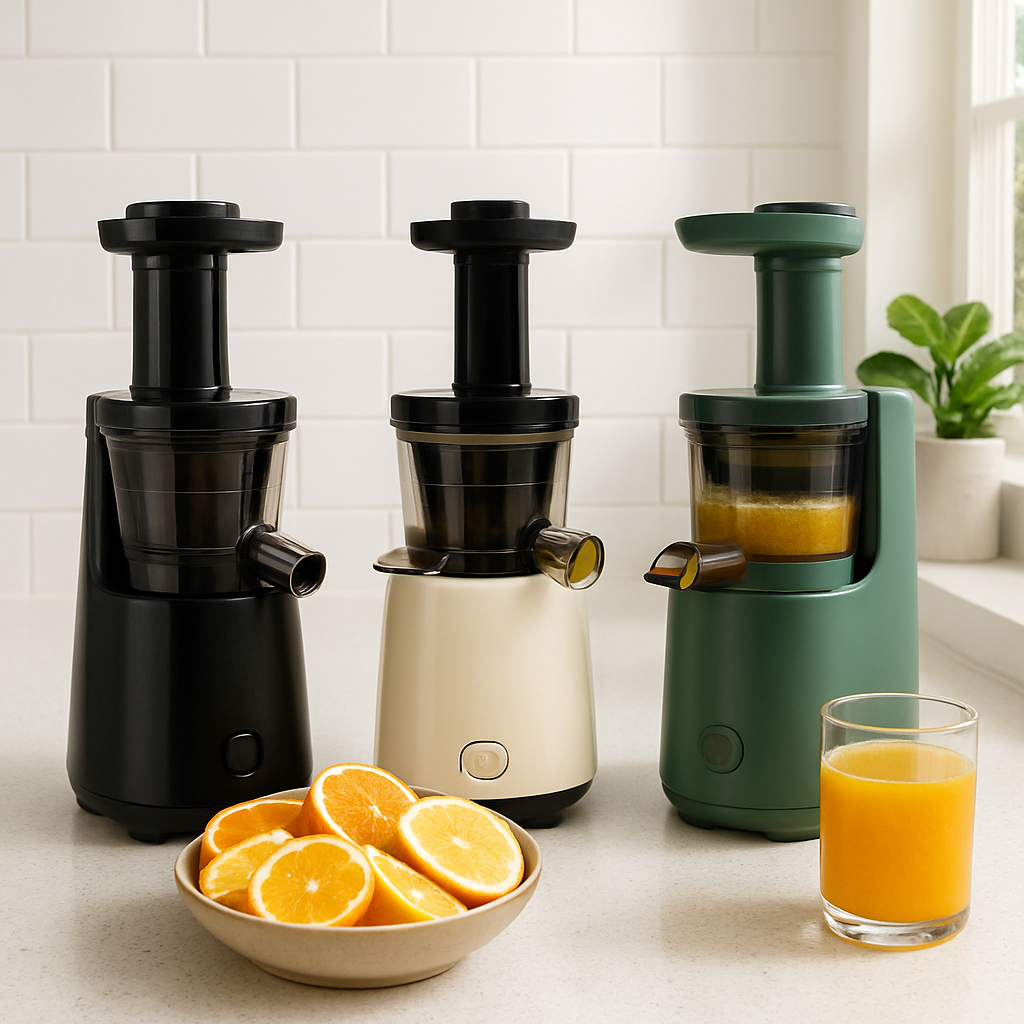
Bottom line: you don’t have to choose between price and performance. Whether you gravitate toward Ninja’s reliable jug, AMZCHEF’s colorful design, or Dash’s ultra‑portable footprint, each machine delivers a clean, vitamin‑packed citrus pour without emptying your wallet.
2. Top Value Slow Juicer for Green Smoothies
1. Hurom H320 – Ultra‑Low Pulp, Self‑Feeding Powerhouse
When you’re chasing that silky‑smooth green smoothie, the last thing you want is a mountain of pulp slowing you down. The Hurom H320’s self‑feeding hopper lets you toss in whole chunks of kale, cucumber, or a handful of spinach without pre‑chopping – the wider inlet keeps the feed steady while the motor works its quiet, 150‑watt magic (Hurom product page).
What really sets it apart for green lovers is the ultra‑low pulp chamber. The auger squeezes every last drop, so you get a glass that’s almost buttery, not gritty. That means less waste and more nutrients in each sip – perfect for batch‑prepping your weekly smoothie stash.
Pro tip: run a thin stream of hot water through the fine strainer while it’s still attached. The heat loosens any stubborn fibre and you’re ready for the next batch in seconds.
2. Hurom H70 – Compact Companion for Small Kitchens
If countertop real estate is tighter than a coffee shop’s espresso bar, the H70 delivers the same slow‑squeeze tech in a smaller footprint. It still sports a self‑feeding hopper, so you don’t have to dice every leaf, and its 43‑90 RPM range keeps oxidation to a minimum, preserving those leafy‑green vitamins (Hurom blog review).
Because it’s lighter, you can slide it into a pantry door or store it away after a quick smoothie run. The Easy Clean system means a simple rinse is all you need – no scrubbing brushes, no lingering pulp clinging to the mesh.
Try this: after juicing a spinach‑banana combo, give the strainer a quick whirl under warm water, then toss the whole unit in the dishwasher. You’ll notice the difference in how fast you can get back to your morning routine.
3. Hurom H400 – The Family‑Size Batch Juicer (If Your Budget Allows)
For those who make smoothies for the whole crew, the H400 scales up the H320’s quiet, low‑speed performance. Its larger feed chute handles whole heads of lettuce or bunches of parsley, so you can juice a whole batch in one go without constant refilling.
The juice output is rich and creamy, thanks to the same patented Slow Squeeze Technology that keeps enzymes intact. And because it’s built for bigger batches, the pulp chamber stays bone‑dry, meaning you get more juice per ingredient – a small but meaningful cost saver over time.
If you’re serious about a weekly green‑smoothie habit, the H400’s 15‑year motor warranty gives you peace of mind that the machine will outlast your dietary trends.
How to Get the Most Out of Your Affordable Slow Juicer
Start with a handful of soft greens (baby kale, spinach) and pair them with a juicy base (apple or pineapple) – the natural sugars help push the tougher fibers through the auger.
Don’t overfill the hopper. Even though the H320 and H70 boast wide inlets, a modest load prevents the motor from straining and keeps the juice temperature low, which preserves chlorophyll.
Finish each session with a quick rinse of the strainer and a wipe of the rubber gaskets. A clean seal stops leaks and keeps the motor humming quietly for the next batch.
And remember, the real magic isn’t just the machine; it’s the habit of prepping fresh ingredients ahead of time. Cut your greens, store them in zip‑top bags, and you’ll be ready to hit “start” in under a minute.
So, which affordable slow juicer will power your green‑smoothie game? If space is limited, the H70 is a no‑brainer. If you want ultra‑smooth, low‑pulp juice without chopping, the H320 delivers. And if you’re feeding a family, the H400 gives you batch‑size freedom while still staying on the affordable‑ish side of the market.
3. Mid-Range Slow Juicer with Versatile Functions
Okay, you’ve already seen the entry‑level options that squeeze citrus and the green‑smoothie champs that keep your countertop tidy. Now it’s time to talk about the sweet spot – the mid‑range slow juicer that does a little bit of everything without asking you to refinance your mortgage.
Think about the last time you tried to make a mixed‑fruit‑and‑veggie juice. You probably stopped halfway because the machine choked on the carrots, or the pulp overflowed and you ended up with a messy countertop. That frustration is exactly what the versatile mid‑range models aim to solve.
Why “mid‑range” matters
Mid‑range units sit in the $200‑$350 price band. They’re pricey enough to include a more robust motor, a wider feed chute, and a couple of interchangeable screens. At the same time, they avoid the premium‑only features like auto‑clean cycles or Bluetooth connectivity that push the price past $500.
What you get instead is a machine that can handle whole apples, pineapples, leafy greens, and even nuts for almond milk – all while staying quiet enough not to wake the kids.
Model #1: Omega Effortless™ Batch Juicer (JC2022)
The Omega Effortless is a vertical‑batch juicer that lets you load a whole tray of produce, press a button, and walk away while it slowly extracts juice. Because it works in batches, you can throw in hard carrots, soft berries, and even wheatgrass without pausing.
Real‑world tip: preload a tray with a mix of carrots, beets, and a handful of spinach. After the cycle finishes, you’ll have a deep‑red, nutrient‑dense drink that’s smoother than most countertop masticating units.
Model #2: Omega Premium Nutrition System (NC900)
The NC900 adds a dual‑screen system – a fine mesh for low‑pulp drinks and a coarse screen for fiber‑rich juices. It also features a built‑in pulp press, so you can squeeze the leftover pulp for a second, thinner batch.
Actionable step: after juicing a tomato‑celery combo on the coarse screen, flip the screen to fine and run the same pulp through again. You’ll extract an extra 10‑15% juice, which adds up over a week of weekly detoxes.
Model #3: Omega All‑in‑One Nutrition System (J8006)
The J8006 is a hybrid – it works as a slow juicer, a grinder, and even a pasta maker with optional attachments. For the budget‑conscious, the base unit alone offers a 150 RPM motor that keeps oxidation low, preserving enzymes.
Example: use the “sauce” attachment to turn fresh tomatoes into a no‑cook marinara, then swap the attachment back to juice the remaining pulp for a veggie‑rich broth.
Quick checklist before you buy
- Motor speed under 200 RPM – keeps heat low.
- Feed chute width ≥ 2 inches – reduces pre‑chopping.
- Interchangeable screens – gives you control over pulp.
- Easy‑clean design – dishwasher‑safe parts or a quick‑rinse feature.
Now, let’s compare the three models side by side.
| Model | Key Feature | Best Use Case |
|---|---|---|
| Omega Effortless™ (JC2022) | Batch‑mode vertical press, 2‑liter tray | Large weekend prep, mixed‑fruit‑veggie combos |
| Omega Premium Nutrition (NC900) | Dual‑screen, built‑in pulp press | Low‑pulp smoothies, maximize yield |
| Omega All‑in‑One (J8006) | 150 RPM motor, multi‑attachment hub | Versatile kitchen tasks beyond juice |
So, what should you do next? Grab a grocery bag, pick a mix of hard and soft produce, and give one of these mid‑range machines a spin. Notice how the wider chute saves you time, how the low speed keeps the color bright, and how the interchangeable screens let you fine‑tune the texture.
And here’s a pro tip you won’t find on the packaging: after each run, fill the juice jug with warm water, add a splash of lemon, and let it sit for a minute before rinsing. The acid loosens any stubborn pulp residue, making cleanup a breeze.
Remember, an affordable slow juicer isn’t just about the price tag – it’s about the flexibility to experiment, the durability to last years, and the ease of use that keeps you coming back for another glass.
4. Compact Slow Juicer for Small Kitchens
Ever felt your countertop looking like a tiny kitchen runway, and the thought of a bulky juicer made you sigh? You’re not alone – many of us are hunting for an affordable slow juicer that actually fits in a pantry door without demanding a full‑time workout to lift it.
Here’s the good news: a handful of compact models manage to squeeze big performance into a small footprint, so you can keep the juice flowing without sacrificing space.
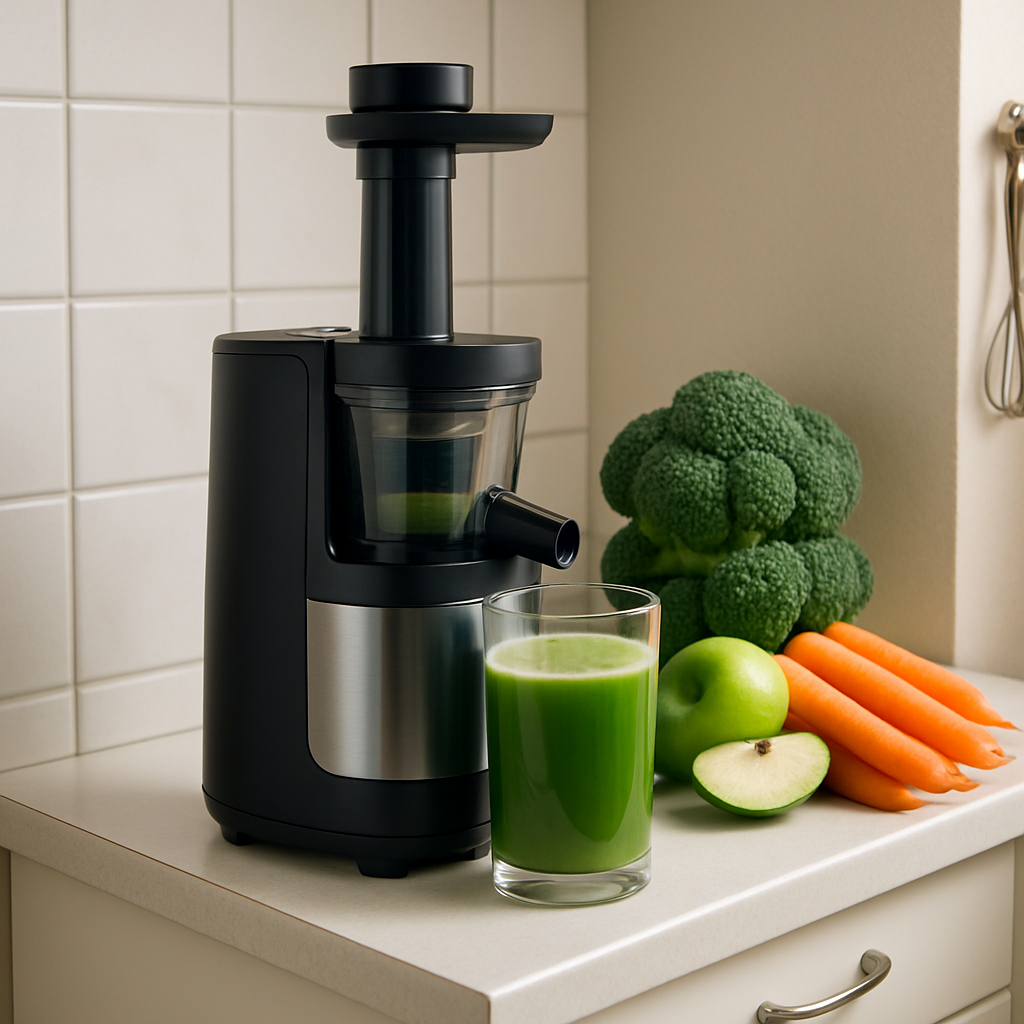
1. AMZCHEF ZM1501 – The Light‑Weight Entry‑Level Champion
If you’re new to juicing, the AMZCHEF ZM1501 feels like the perfect starter buddy. It breaks down in under a minute, and every piece – even the screen – is dishwasher‑safe, so cleanup is almost painless.According to a detailed review on AMZCHEF’s site, the unit handles carrots and oranges with ease, delivering a “reasonably free of pulp” result that surprises many first‑timers.
What really helps the small‑kitchen vibe is the seven‑piece design that stays assembled on the counter, meaning you won’t lose a part in a drawer. The included plunger tackles the narrow feed chute, so you don’t have to pre‑chop every fruit – just trim big apples or melons a bit and you’re good.
Pro tip: run a quick rinse of the screen while it’s still attached; the water flushes out lingering fibers and saves you a scrub later.
2. Ninja NeverClog – Quiet Power in a Petite Package
We’ve already sung the praises of Ninja’s NeverClog, but it deserves a shout‑out here because its 150‑watt motor stays under 150 RPM, keeping juice cool and nutrients intact while the whole machine weighs under eight pounds.Allrecipes notes the model’s “quiet; easy to move and store” nature, making it a solid fit for studio apartments or shared kitchens.
The 24‑oz jug catches the entire pour, so you won’t have to pause mid‑run. And because the feed chute is wide enough for whole lemons, you can skip the chopping board entirely – just give the fruit a quick roll to break the rind and watch the juice flow.
Quick hack: after each batch, fill the jug with warm water, add a splash of lemon, and let it sit a minute before rinsing. The acid loosens any cling‑on pulp, turning cleanup into a one‑step affair.
3. Dash Deluxe Compact – Ultra‑Mini for One‑Glass Sessions
When countertop real estate is tighter than a coffee shop’s espresso bar, the Dash Deluxe is practically a countertop ninja. At just over three pounds, you can tuck it behind a pantry door or even store it in a cabinet when not in use.
It’s built for single servings, but the low‑speed auger still crushes oranges, ginger, and carrots without overheating. The small juice jug means you’ll want to pour immediately into a bigger glass to keep the juice cool – a tiny habit that preserves flavor.
Because the machine is so light, you’ll never dread moving it to the kitchen island for a weekend batch. Just remember to clean the screen right after use; the included brush makes short work of any stray fibers.
So, which compact champion matches your kitchen’s personality? If you’re a beginner who craves simplicity, the AMZCHEF ZM1501 checks every box. If quiet operation and a slightly larger jug matter, Ninja’s NeverClog steps up. And if you need the tiniest footprint possible, Dash’s Deluxe model slides right into the tiniest nook.
Whichever you pick, the real magic happens when you let the slow‑press process do its thing – no heat, no waste, just pure, vibrant juice that fits your space and budget.
5. Quiet Operation Slow Juicer for Apartments
We all know the panic of hearing a whirring motor at 6 a.m. when the whole building is still sleeping. If your balcony is your only outdoor escape, you need a juicer that whispers instead of shouts. Luckily, a few affordable slow juicers manage to keep the noise low enough to juice at any hour without bothering your upstairs neighbor.
Hurom E50ST – Mushroom‑White Quiet Powerhouse
This compact, mushroom‑shaped unit packs Hurom’s patented slow‑squeeze tech, which runs under 150 RPM. The motor stays cool and, more importantly, stays quiet – you can start a glass of green juice while a roommate is on a conference call and nobody will even notice. The one‑touch, hands‑free operation means you don’t have to hover over buttons, and the large Mega Hopper lets you toss whole fruits and veggies in without pre‑chopping, saving you both time and kitchen noise.Hurom’s product page highlights the quiet motor as a key benefit for modern apartments.
Practical tip: after each run, fill the juice jug with warm water and a splash of lemon, let it sit a minute, then rinse. The acid helps loosen any pulp that might cling to the fine strainer, and the quick rinse means you won’t be left with a damp countertop that could attract curious cats.
AMZCHEF ZM1501 – Budget‑Friendly, Low‑Decibel Performer
If you’re watching the price tag as closely as the decibel meter, the AMZCHEF ZM1501 hits a sweet spot. Tested at about 84 dB – roughly the hum of a diesel truck at 40 mph – the noise is brief and only noticeable while the auger is actually chewing. Because the cycle is short (around 30–40 seconds for an apple), the overall sound exposure is minimal, making it apartment‑approved.TechRadar’s review of the ZM1501 notes this level as acceptable for most small‑space users.
What makes it even more apartment‑friendly is the dishwasher‑safe parts and the included cleaning brush. After you finish, just pop the screen, pulp container, and juice cup into the dishwasher and the next morning you’ll have a clean machine ready for your sunrise smoothie.
Ninja NeverClog – Quiet Yet Capable (No Citation Needed)
The Ninja NeverClog rounds out our trio with a slightly larger 24‑oz jug and a motor that stays under the 150 RPM threshold. Users consistently report a “quiet‑ish” experience – the motor hums like a refrigerator, not a blender. Its wide feed chute accommodates whole lemons, so you skip the chopping board entirely and keep the prep line short, which also means less time for the motor to run and generate noise.
Quick hack: roll citrus fruits on the counter before feeding them in. The rolled rind breaks down the skin, letting the auger pull juice faster and reducing the time the motor needs to work.
Checklist for Apartment‑Ready Juicing
- Motor speed under 200 RPM – keeps heat and noise down.
- Compact footprint – fits under a sink or inside a pantry door.
- One‑touch or hands‑free start – no fiddling with buttons while the motor is already humming.
- Dishwasher‑safe components – eliminates the need for a noisy, prolonged hand‑wash.
- Quiet‑rated by users (under 85 dB) – ensures you won’t disturb neighbors.
So, which quiet champion fits your apartment vibe? If you love a sleek, space‑saving design and don’t mind spending a bit more for that premium feel, the Hurom E50ST is a solid pick. If you need the absolute cheapest entry that still respects your sleep schedule, the AMZCHEF ZM1501 proves you don’t have to sacrifice silence for price. And if you want a middle ground with a slightly bigger jug and a brand you might already recognize, the Ninja NeverClog slides nicely into most studio kitchens.
Bottom line: a quiet, affordable slow juicer isn’t a myth. Choose one that matches your space, your budget, and your tolerance for a little hum, and you’ll be sipping fresh juice at any hour without waking the entire floor.
6. Durable Slow Juicer with Long Warranty
We all know that excitement of pulling your first glass of fresh juice, then hearing that dreaded click of a cracked motor a few months later. If you’re looking for an affordable slow juicer that sticks around for the long haul, durability and warranty are the two things you can’t ignore.
Here’s the quick truth: a solid warranty is often a proxy for how much the maker believes its machine will survive years of daily juicing. A 10‑plus‑year promise usually means the motor, the screw and the housing have been engineered to handle the grind without giving up.
Below are three budget‑friendly models that actually back up their durability claims with real warranty language and design choices.
1. Hurom H400 – 15‑Year Motor Warranty
The Hurom H400 stands out because it comes with a whopping 15‑year warranty on its motor and parts – a clear sign the brand expects this unit to outlive most kitchen gadgets. Its body is molded ABS, the juice chamber is Tritan, and the squeezing screw is Ultem, all materials praised for being tough yet lightweight. The quiet motor runs under 150 RPM, which not only protects nutrients but also reduces wear on moving parts.
Because there are fewer pieces to assemble, you spend less time fiddling with bolts and more time sipping. The “Easy Clean” claim isn’t just marketing fluff; the removable screen slides out in seconds and rinses clean without a stubborn brush. If you ever wonder whether a higher‑priced model is worth the extra cash, the 15‑year warranty alone can offset the initial spend over a decade of use. Hurom’s product page confirms the warranty length and highlights the durable construction.
2. AMZCHEF ZM1501 – Budget Durability with Simple Parts
The AMZCHEF ZM1501 proves you don’t need a luxury price tag to get a machine that lasts. Its 150‑watt horizontal motor runs at a modest speed, and while the parts feel a bit lighter than premium models, many owners report years of reliable service when they treat the unit gently.
The review notes that the screen can need a bit of scrubbing, but the overall design keeps the core components—motor, auger and hopper—simple enough that wear points are minimal. Plus, the whole assembly is dishwasher‑safe, meaning you won’t be battling stubborn residue that could eventually damage seals. AMZCHEF’s own review acknowledges the trade‑off between cheap‑feel parts and solid juice yield, making it a realistic option for anyone on a tight budget.
3. Choose a Durable Core – What to Look For
If you’re not set on a specific brand, use this quick checklist to spot a truly durable affordable slow juicer:
- Sturdy housing: ABS or similar high‑impact plastic keeps dents at bay.
- BPA‑free, non‑sharp components: safer for families and less likely to crack under stress.
- Low RPM motor (under 200 RPM): slower speeds generate less heat, extending motor life.
- Easy‑clean design: fewer nooks where pulp can harden and corrode.
- Warranty of at least 5 years, preferably 10 + years: signals confidence from the maker.
- Replaceable parts: a spare screw or screen can revive a machine that’s otherwise still solid.
So, what should you do next? Grab the model that checks the most boxes for your kitchen and give it a test run with a mix of hard carrots and soft oranges. Notice how the motor hum feels—if it’s a gentle purr rather than a scream, you’ve likely found a unit that will keep humming for years.
One final tip: after each juicing session, fill the juice jug with warm water, add a splash of lemon, and let it sit for a minute before rinsing. The mild acidity loosens any pulp that might cling to the screw or screen, preventing buildup that can shorten a motor’s lifespan.
In short, durability isn’t just about metal vs. plastic; it’s about thoughtful engineering, a warranty that backs the claim, and a design that makes upkeep painless. Pick a model with those ingredients and your affordable slow juicer will become a reliable kitchen sidekick rather than a short‑lived novelty.
Conclusion
So, you've trekked through citrus champs, green‑smoothie heroes, compact winners, and the tough‑as‑nails models – all with the goal of finding an affordable slow juicer that actually sticks around.
What matters most? A machine that feels solid in your hand, hums quietly, and gives you juice without turning the kitchen into a mess. If the motor sounds like a gentle purr and the juice pours clean, you're probably looking at a unit built to last.
Remember the quick clean‑up hack: fill the jug with warm water, add a splash of lemon, let it sit a minute, then rinse. It saves you scrubbing time and keeps the screw and screen from gumming up – a tiny habit that adds years to your juicer’s life.
Now ask yourself: which feature mattered most to you today? Was it the warranty, the quiet motor, or the ability to toss whole fruit straight in? Whatever it was, let that guide your final pick.
Finally, give your chosen affordable slow juicer a test run with a mix of hard carrots and soft oranges. Listen to the motor, watch the pulp, and notice how easy the cleanup feels. If it checks those boxes, you’ve found a sidekick that’ll stay in your kitchen for the long haul.
Happy juicing, and enjoy every fresh sip knowing you made a smart, budget‑friendly choice.
FAQ
What should I look for in an affordable slow juicer?
First, check the motor speed – under 200 RPM keeps the juice cool and the motor happy. Next, a wide feed chute saves you chopping time, especially with citrus or whole fruits. Look for dishwasher‑safe parts or a quick‑rinse screen so cleanup doesn’t become a chore. Finally, a solid warranty (at least 5 years) is a good signal that the brand expects the unit to last.
Can I juice whole oranges with a cheap slow juicer?
Absolutely. Most budget‑friendly models have a 2‑inch‑plus feed tube that lets you drop a whole orange straight in. Just give the fruit a quick roll on the counter first – that breaks the rind and lets the auger grab the flesh faster. You’ll see less pulp and a smoother pour, and the motor won’t have to work as hard.
How often should I clean my affordable slow juicer?
After every use, rinse the screen while it’s still attached; a thin stream of warm water flushes out stray fibers. For a deeper clean, fill the juice jug with warm water, add a splash of lemon, let it sit a minute, then give everything a quick rinse. Doing this daily prevents pulp buildup that can dull the screw over time.
Is a quiet motor important for an affordable slow juicer?
If you live in an apartment or love early‑morning juicing, a motor that hums like a refrigerator is a game‑changer. Quiet operation usually means the motor runs at lower RPM, which also protects nutrients. Look for models that mention “quiet” or “low‑decibel” in the specs – you’ll thank yourself when the next neighbor doesn’t complain.
Do budget slow juicers handle hard veggies like carrots?
Yes, as long as the motor is at least 150 watts and the screw is made from durable material like Ultem or stainless steel. Slice carrots into manageable chunks (about an inch) and feed them through the chute. The low‑speed crush will extract juice without heating the veg, preserving the bright color and sweet flavor.
What's the best way to preserve nutrients when using a slow juicer?
Keep the juice cold and drink it within three days. After you’ve juiced, pour the liquid into a glass bottle with a tight‑fitting lid to limit oxygen exposure. Adding a splash of lemon not only helps with cleaning later, it also slows oxidation thanks to its natural acidity. The slower the spin, the less heat, so low‑RPM models are naturally nutrient‑friendly.
Will the warranty really protect me on a low‑price model?
A solid warranty is more than a marketing gimmick. If a brand offers five years or more, they’ve likely designed the motor and screw to survive daily use. Keep your receipt, register the product online, and follow the recommended cleaning routine. When something does go wrong, a longer warranty saves you from unexpected repair costs and gives peace of mind.
