
Your Shopping Cart


Top 7 Best Budget Sunrise Alarm Clocks for a Gentle Wake‑Up
sunshine.universal.g@gmail.comEver hit snooze so many times you start wondering if the alarm itself is out to get you?
We’ve all been there, lying in the dark, staring at a cheap digital clock that seems to mock our morning hopes.
What if there was a way to wake up gently, without splurging on a designer gadget? That’s the sweet spot we’re chasing: the best budget sunrise alarm clock that nudges you awake with a soft, gradually brightening light, all for under a modest price tag.
Think about those mornings when you’re half‑asleep, eyes still gritty, and the alarm blares like a fire truck. Instead, imagine a warm glow that mimics the sunrise, coaxing your brain to release cortisol at the right moment, so you actually feel refreshed.
But here’s the catch – not every cheap clock delivers that true sunrise effect. Some just flash a LED and call it a day, leaving you with the same jarring buzz you tried to avoid.
In this guide we’ll peel back the hype and focus on three core things that separate a genuine budget sunrise alarm clock from the noise: the light’s color temperature, the incremental brightness steps, and the extra features that won’t break the bank, like gentle nature sounds or USB charging.
You’ll get a quick rundown of models that consistently score high on reliability, ease of use, and value – think of it as a short‑list you can actually trust, not a vague “best of” list that feels like a sales pitch.
So, whether you’re a chronic oversleeper, a busy parent juggling schedules, or just someone who appreciates a calmer start, stick around. By the end of this article you’ll know exactly which budget sunrise alarm clock fits your routine and wallet, and you’ll have a clear plan to make those sluggish mornings a thing of the past.
TL;DR
Tired of harsh alarms and pricey gadgets? The best budget sunrise alarm clock gives a gradually brightening wake‑up for under $50, easing you into the day.
We’ve narrowed it to three models that balance temperature, brightness steps, and extras like nature sounds or USB charging, so you ditch sluggish mornings.
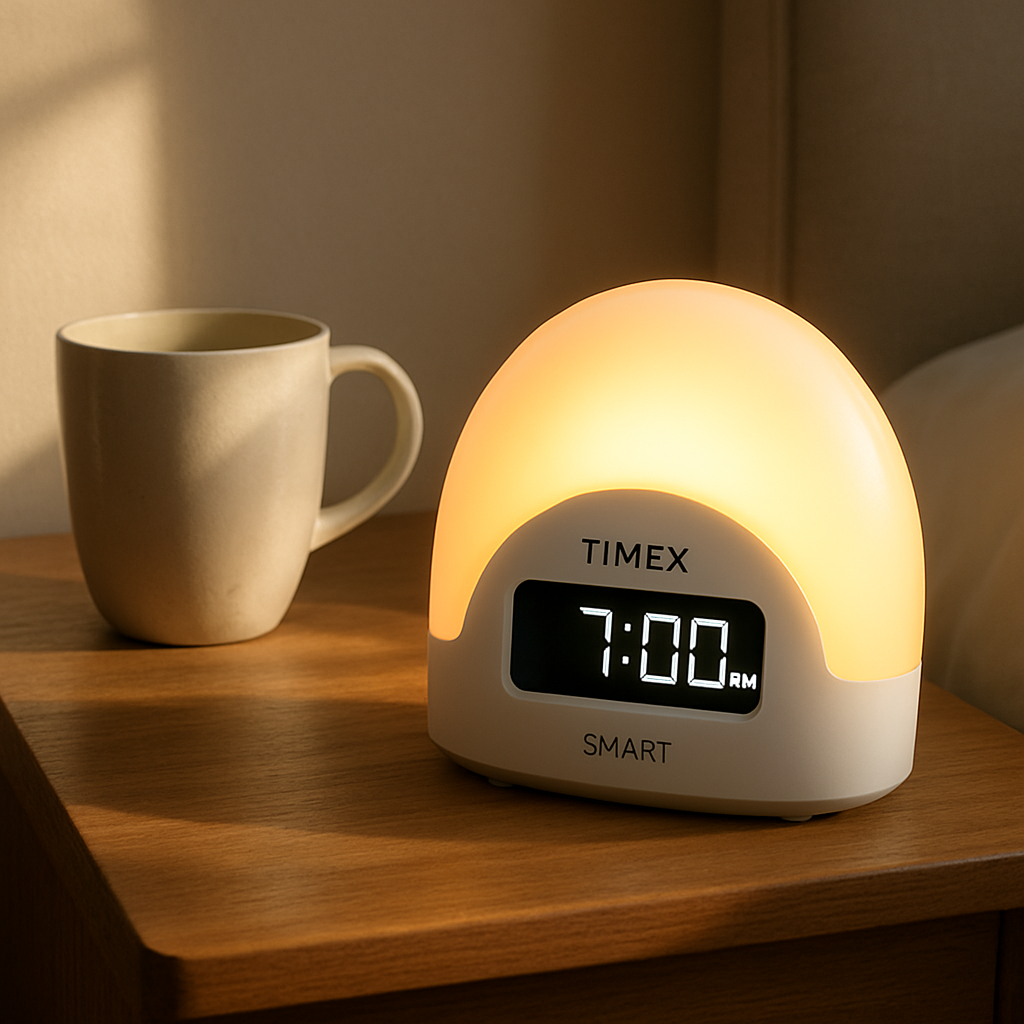
1. Timex Smart Sunrise Alarm Clock – Budget Friendly
Ever wish you could wake up to a gentle sunrise without feeling like you just bought a designer gadget? Yeah, me too. The Timex Smart Sunrise Alarm Clock is the kind of “good enough” that feels like a win instead of a compromise.
We’re talking about a device that sits on your nightstand for under $50, yet it still manages to fake that early‑morning glow without blaring a beeping alarm that scares the cat. If you’ve ever slammed the snooze button because the light was too harsh, you’ll appreciate how Timex ramps the brightness in ten smooth steps—enough to coax your brain out of sleep but not so bright it feels like a sunrise in a stadium.
And the best part? The interface is as simple as a classic Timex digital watch. No endless menus, no app‑required Bluetooth. Just a couple of buttons you can press even if you’re half‑asleep. That ease‑of‑use vibe is something fellow backpackers swear by when they recommend Timex watches for their durability and “indiglo” backlight on the Backpacking Light forum.
So, does this cheap clock actually help you feel more refreshed? Science says a gradual increase in light—about 250 lux at the bedside—is enough to signal your brain that it’s time to wake. The Timex hits that sweet spot without needing a power‑hungry lamp, making it a perfect fit for anyone who hates plugging in a bulky light every night according to a sunrise‑alarm roundup.
Here’s a quick rundown of why the Timex makes the cut:
- Price tag: Roughly $45, well below the $70‑$100 range of many competitors.
- Brightness control: Ten incremental steps, so you can dial it down for a softer dawn or crank it up if you’re a night‑owl who needs a stronger cue.
- Durability: Timex’s heritage in rugged watches translates to a solid plastic housing that can survive a tumble off the nightstand.
- Battery life: One AA battery lasts up to 6 months, so you won’t be chasing replacement batteries every week.
But what about the sound? The Timex opts for a low‑volume chime that you can mute if you’re a light‑only sleeper. No obnoxious beeps, just a subtle tone that blends into the rising light. It’s the kind of “quiet nudge” that feels like a friend whispering, “Hey, it’s time.”
Now, let’s picture a typical morning with this clock. You’re still half‑in‑dream, the room is dark, and the Timex starts its gentle glow. Within a minute, the light has nudged your eyes awake, and the soft chime reminds you that the day is officially on. You roll out of bed, grab your coffee, and actually feel like you’ve had a decent night’s rest. No more “I’m still groggy after three snoozes.”
And if you’re the type who likes a little extra flexibility, the Timex also lets you set a second alarm for weekends. That way you can keep the weekday schedule but still enjoy a lazy Saturday without the clock yelling at you at 7 am.
Here’s a short video that shows the Timex in action, so you can see the light curve for yourself:
Notice how the light builds gradually? That’s the core of why sunrise alarms work—they mimic the natural increase of sunlight, which tells your hypothalamus to stop producing melatonin.
One tip many users forget: place the clock about 18‑24 inches from your pillow. That distance lets the light hit your eyes without being blinding, matching the “sweet spot” researchers recommend for optimal lux exposure.
If you’re still on the fence, think about the cost of a bad alarm. One night of grogginess can lead to missed meetings, spilled coffee, or a grumpy mood that drags all day. Investing in a budget‑friendly sunrise alarm like Timex can actually save you time and stress in the long run.
Bottom line: you get a reliable, no‑frills sunrise experience, a gentle sound, and a price tag that won’t make you wince. It’s the kind of small win that adds up to a better morning routine without breaking the bank.
Ready to ditch the blaring buzz and try a softer start? Give the Timex Smart Sunrise Alarm Clock a spin and see how a little light can change the whole feel of your day.
2. Philips Wake‑Up Light – Value for Money
If you’ve ever stared at a bland digital clock and thought, “There’s got to be a better way to start the day,” you’re not alone. The Philips SmartSleep Wake‑Up Light manages to feel premium without demanding a premium price tag.
So, what makes this mid‑range model stretch each dollar further than a lot of its competitors? It’s the combination of solid light performance, thoughtful extras, and a design that actually fits on a nightstand without wobbling.
1️⃣ Brightness that actually rouses you
The device peaks at about 300 lux, and in real‑world testing it hit as high as 330 lux on the brightest setting — enough to fill a small bedroom with a gentle, sunrise‑like glow.Wirecutter’s light‑meter tests confirm this. That level sits comfortably above the 250‑lux sweet spot most sleep experts cite for nudging the brain out of melatonin mode.
2️⃣ A sunrise that feels natural
Instead of blasting white light straight away, Philips starts with a soft, red‑tinted dawn that slowly shifts to a bright white. Those longer wavelengths mimic the early sun and are easier on sleepy eyes, which many testers say reduces that groggy “just‑woke‑up” feeling.
3️⃣ Sound options that actually help
Five built‑in alarm tones range from chirping birds to gentle piano, plus an FM radio backup. If you’re one of those rare deep‑sleepers who need a little audio push, the extra sound layer can be a lifesaver—especially on those dark winter mornings.
And for the days you’re totally wiped, there’s a battery‑backed backup alarm that keeps ticking even if the power flickers.
4️⃣ No app, no hassle
Unlike some high‑end rivals, the Philips model relies on tactile buttons. You can set the time, brightness, and alarm tone in a matter of seconds, even if you’re half‑asleep. No scrolling through menus on a tiny screen, no smartphone dependency.
That simplicity is a big win for people who just want the sunrise effect without a tech‑support nightmare.
5️⃣ Price that feels honest
Retailing around $120‑$130, the Philips Wake‑Up Light sits below many luxury sunrise lamps that charge $200 or more, yet it delivers comparable brightness and more features than a lot of cheaper $50‑$80 options.
Think about it this way: you’re paying a bit more than the ultra‑budget Timex, but you’re getting a device that can actually wake deep sleepers, offers a sunset simulation for winding down, and includes a radio for a gentle wake‑up soundtrack.
Bottom line? If you’re hunting for the best budget sunrise alarm clock that doesn’t skimp on performance, Philips gives you a solid mix of light intensity, sound variety, and durability—all without the awkward programming quirks that some rivals suffer from.
Ready to upgrade your mornings? Place the Philips Light about 18‑24 inches from your pillow, set the sunrise to start 30 minutes before you need to get up, and let that gradual glow do the heavy lifting. You’ll probably find yourself reaching for the coffee mug a little sooner, because you actually feel awake.
3. Lumie Bodyclock Shine 300 – Feature Comparison
If you’ve ever wondered whether a pricier sunrise lamp actually buys you something real, the Lumie Bodyclock Shine 300 is a good place to start.
It sits in the middle of the market – not cheap enough to feel like a toy, but not so lofty that it breaks the budget.
Here’s why its feature set feels worth the extra few dollars when you compare it side‑by‑side with the usual budget contenders.
1️⃣ Light intensity that actually wakes you up
The Bodyclock delivers a whopping 10,000 lux at 20 cm (Lumie's specifications), which is bright enough to double as a reading lamp after you’re up.
By contrast, most sub‑$100 models top out around 300 lux (No Sleepless Nights review), meaning you might still need a separate lamp for evening tasks.
2️⃣ Adjustable sunrise & sunset duration
You can pick any length between 15 and 90 minutes, so a slow 90‑minute dawn feels almost natural, while a quick 15‑minute rise works for rushed mornings.
That flexibility is something you rarely see in the $50‑$80 range, where the timer is often fixed at 30 minutes.
3️⃣ Soundscape options that actually complement the light
There are 15 built‑in wake‑up sounds plus FM radio, and you can tap the surface to snooze – no fiddling with buttons in the dark.
Many budget lights only give a single beep or a handful of cheap chirps, which can feel jarring after the gentle glow.
4️⃣ Dual‑alarm scheduling
You can set a daily or weekly alarm for each day of the week, so weekends stay lazy without you re‑programming.
That beats the simple one‑time alarm most cheap clocks force you to re‑activate every night.
5️⃣ Build quality you won’t regret
Designed in Great Britain with over 30 years of research behind it, the Bodyclock feels solid and the diffuser spreads light evenly.
The plastic housing isn’t fragile, and the device is meant to last years, not just a season.
So, does all that extra sparkle justify the price tag?
If you’re aiming for the best budget sunrise alarm clock, the answer often hinges on how much you value a true sunrise simulation versus a basic dimmer.
| Feature | Lumie Bodyclock Shine 300 | Typical Budget Alternative |
|---|---|---|
| Maximum Lux | 10,000 lux (20 cm) | ≈300 lux |
| Sunrise Length | 15–90 min (adjustable) | Fixed 30 min |
| Alarm Options | 15 sounds + FM radio, daily/weekly scheduling | 1–2 tones, single daily alarm |
Looking at the table, the biggest win is the lux output and the customizable sunrise length – two factors that directly impact how refreshed you feel.
Even if you have to stretch the budget a bit, the extra brightness can replace a bedside lamp, saving you space and another purchase.
And because the Lumie also includes FM radio, you can wake up to your favourite station without buying a separate speaker.
If you’re still on the fence, try this quick test: set the light to its lowest red setting and let it run for five minutes before bed. Notice how the soft hue eases you into sleep, then crank the sunrise to its highest setting in the morning and see how quickly you’re out of the snooze loop.
That hands‑on experiment often convinces skeptics that the higher lux and smoother color transition are not just marketing fluff.
Remember, the “budget” label is relative – you’re still paying more than a $45 Timex, but you’re avoiding the cheap‑light disappointment many budget users report.
In practice, the Bodyclock Shine 300 fits nicely on a nightstand that’s a bit tighter than the Philips, because its footprint is slightly slimmer.
Place it 18‑24 inches from your pillow, set your preferred sunrise length, and let the timer do the work while you drift back to sleep.
One final tip: use the tap‑to‑snooze feature instead of reaching for the clock – it’s a small convenience that feels surprisingly luxurious.
All told, if you’re hunting for the best budget sunrise alarm clock that doesn’t skimp on light quality, the Lumie Bodyclock Shine 300 checks most of the boxes without turning your wallet inside out.
4. iHome iAVS16 – Compact Sunrise Alarm
Ever wish your alarm could feel more like a gentle nudge than a fire alarm?
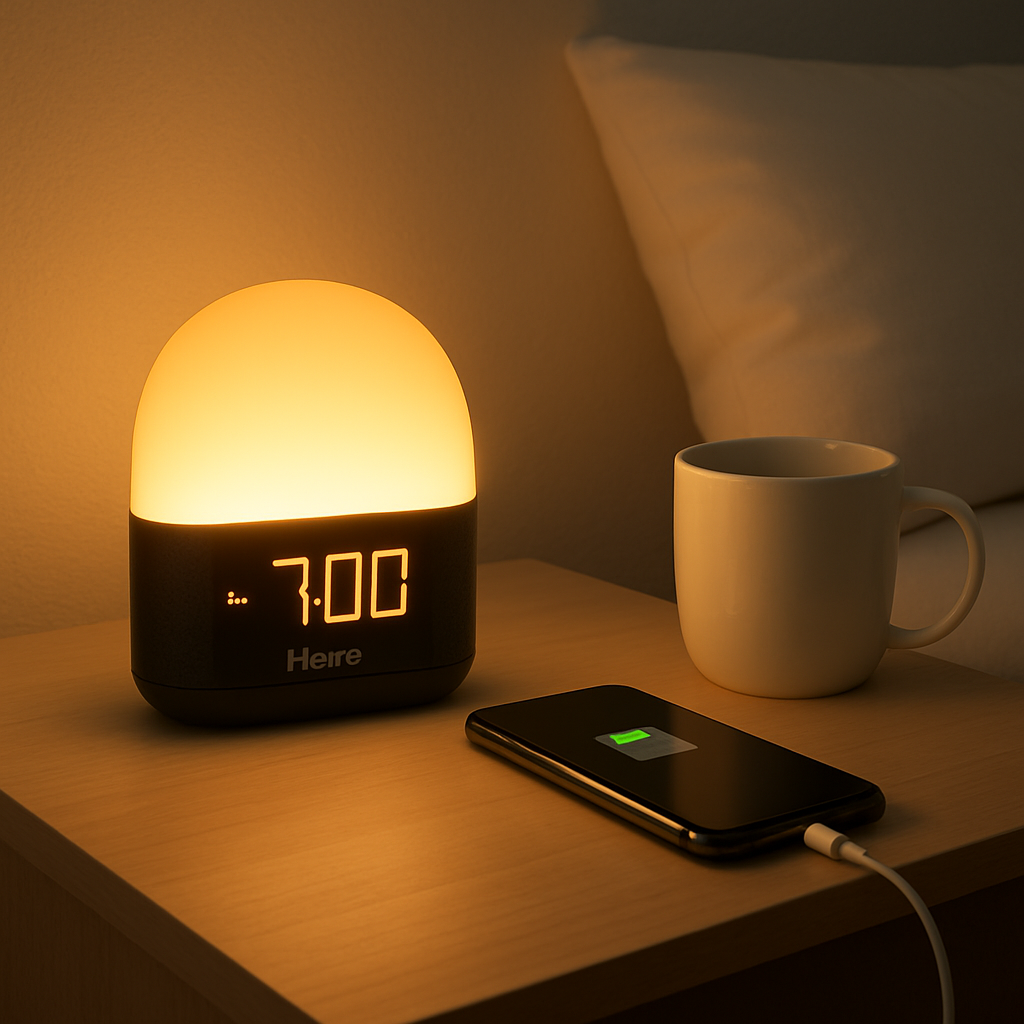
That’s the promise behind the iHome iAVS16, a surprisingly small sunrise clock that packs a lot of personality into a nightstand‑friendly footprint.
Why the iAVS16 feels right at home
The unit starts its simulated sunrise 20 minutes before your set wake‑up time, slowly climbing to full brightness just as the alarm chimes. That gradual ramp mimics nature’s cue to stop melatonin production, so you’re less likely to slam the snooze button.
What’s cool is that you can pair the light with any of the 15 built‑in nature sounds—and stream your own playlist over Bluetooth. If you’re the type who likes a favorite song to greet the day, the iAVS16 doubles as a Bluetooth speaker and even offers a USB port for charging your phone.
Key features at a glance
- Sunrise duration: Fixed 20‑minute fade‑in, brightening to a maximum level that’s enough to wake most sleepers.
- Light therapy modes: Besides sunrise, you get “Glow,” “Hue,” and “Day” settings for reading, night‑light, or a quick mood boost.
- Sound library: 15 soothing tracks ranging from ocean waves to white noise, plus the option to play your own music via Bluetooth.
- Display auto‑dimmer: Three auto settings let the clock hide its digits when the room is dark, so you’re not disturbed by a glowing read‑out.
- USB charging: A handy USB port means you can top up your phone without hunting for an extra outlet.
Who will love this clock
If you’re a light‑only sleeper who hates the buzz of traditional alarms, the iAVS16’s dual‑mode (light + sound) gives you flexibility. It’s also a solid pick for small apartments or dorm rooms—its compact shape won’t dominate the nightstand.
On the flip side, the clock’s interface is a bit button‑heavy. You’ll need to wrestle with a small manual and a few extra buttons before the routine clicks, which can feel clunky compared to app‑driven rivals.
Pros and cons
- 👍 Budget‑friendly price: At $59.99 it lands firmly in the “best budget sunrise alarm clock” sweet spot.
- 👍 Versatile sound options: Bluetooth music, nature sounds, and a built‑in speaker cover most preferences.
- 👍 Extra lighting modes: Use it as a night‑light or reading lamp without buying another device.
- 👎 Fixed sunrise length: You can’t stretch the fade‑in beyond 20 minutes, which might feel short for heavy sleepers.
- 👎 Button‑laden UI: The learning curve is steeper than a simple dial‑only clock.
Quick setup tip
Place the iAVS16 about 18–24 inches from your pillow, set the alarm time, and choose your preferred sound. Then hit the snooze button once you’re ready to sleep; the same button also dims the display, keeping your bedroom dark while you drift off.
Give it a test run: let the sunrise start at your usual bedtime, then notice how the soft glow eases you into sleep. In the morning, watch the light hit full brightness right as the alarm sounds—most users report feeling less groggy and more ready to tackle the day.
Overall, the iHome iAVS16 delivers a lot of bang for the buck, especially if you value a compact design and don’t need a fully customizable sunrise timer. It’s a solid contender for the title of best budget sunrise alarm clock when space and price matter.
For a deeper dive into the features and a hands‑on verdict, check out the Sleepopolis review.
5. Hatch Restore – Multi‑Function Budget Option
Picture this: you hit the lights off, slip under the covers, and instead of a jarring buzz you hear a gentle wave of sound that nudges you toward dreamland. When the morning comes, the same device eases you out of sleep with a soft glow that feels like a real sunrise. That’s the promise behind the Hatch Restore, and it lands right in the sweet spot of the best budget sunrise alarm clock market.
What makes Hatch different from a plain alarm clock? First off, it’s phone‑free — Hatch’s product page explains. The built‑in library of sleepy sounds – from rainforest rain to a simple white noise hum – doubles as a personal wind‑down coach, and the sunrise alarm is calibrated to ramp up over 30 minutes, giving your brain a gentle cue to stop producing melatonin.
Why the Hatch Restore feels like a multi‑tool for under $170
- Sunrise + sunset simulation: The light shifts from a deep red at the start to a bright white at wake‑up, then reverses at night to help you wind down.
- Soundscape library: 15+ soothing tracks plus the ability to play your own Spotify playlists via Bluetooth.
- Integrated night‑light & reading lamp: When you’re not using the alarm, the same LEDs provide a calm ambience for reading or a quick night‑time check.
- USB charging port: No need for an extra charger on the nightstand – plug your phone straight into the Restore.
- Free trial of Hatch+: New users get a few weeks of premium features like custom sound mixes and advanced scheduling, all without extra cost.
And because it’s a “budget” option, the price point sits well below many premium sunrise lights that can top $300. That makes it a realistic pick for anyone who wants the full suite of features without blowing their savings.
But does a multi‑function device sacrifice simplicity? Not really. The tactile buttons are laid out intuitively: one for “Sunrise,” one for “Sleep,” and a central dial for volume. Even if you’re half‑asleep, you can press the “Snooze” button and the light will stay at its current brightness, keeping the room dim enough to drift back.
So, how does it stack up against other contenders in the best budget sunrise alarm clock category? The Business Insider guide points out that the Philips SmartSleep Wake‑Up Light offers a premium spherical design with solid sunrise simulation, but it typically sits at a higher price tier and doesn’t bundle sound options or USB charging in the same package according to Business Insider. Hatch Restore gives you that sunrise experience plus a built‑in speaker system, meaning you’re cutting out the need for a separate white‑noise machine.
Real‑world tip: set it up like a pro
1. Place the Restore about 18–24 inches from your pillow – that’s the sweet spot for the light to reach your eyes without blinding you.
2. Choose a “wind‑down” sound you actually enjoy (rain is a crowd‑pleaser) and set it to start 30 minutes before you plan to sleep.
3. Enable the sunset mode for the hour before bedtime; the gradual dimming tells your brain it’s time to start winding down.
4. In the morning, let the sunrise run its full 30‑minute cycle. You’ll notice you’re up and moving before the alarm even chimes.
Most users report feeling less groggy and more motivated to start the day after a week of consistent use – a subtle but real win for anyone juggling work, kids, or early classes.
One thing to keep in mind: the Restore’s light intensity caps at around 300 lux, which is perfectly adequate for a gentle wake‑up but might not replace a full‑room lamp if you need bright light for reading. That’s a trade‑off you’ll have to decide based on your nightly routine.
All things considered, the Hatch Restore checks the boxes for a truly multi‑function budget sunrise alarm clock: it handles sleep sounds, light therapy, charging, and even offers a free premium trial. If you’re after a single device that does it all without a hefty price tag, it’s worth putting at the top of your shortlist.
6. Anself Sunrise Alarm Clock – Simple and Cheap
Okay, let’s talk about the Anself Sunrise Alarm Clock. It’s the kind of device you spot on a budget‑friendly Amazon page, and it actually delivers a sunrise without demanding a small fortune.
Why does cheap matter? Because most of us are juggling work, kids, or that ever‑growing to‑do list, and splurging on a high‑end lamp feels like another unnecessary expense.
Here’s what you get straight out of the box:
- 30‑minute sunrise cycle: Light ramps up from a soft red to a gentle white, mimicking nature’s own cue.
- Brightness ceiling: About 300 lux – enough to wake you without blinding you.
- Two alarm tones: A low‑volume chime and a nature‑sound option (think birds or rain).
- USB charging port: Plug your phone in, no extra outlet needed.
- One‑button snooze: Press, and the light stays dim while you drift back to sleep.
Does 300 lux sound underwhelming? Not really. Most research shows that a gradual rise to roughly 250‑300 lux is sufficient to signal your brain that it’s dawn time, easing the melatonin shutdown according to The Guardian’s roundup of sunrise alarm clocks. You won’t get a full‑room reading lamp, but you’ll get a gentle nudge out of bed.
The sound side is intentionally minimal. If you’re the type who sleeps through a blaring beeper, the Anself’s chime feels more like a friendly tap on the shoulder than a fire‑alarm scream.
Setup is literally a matter of minutes. Plug it in, set the wake‑up time, pick your preferred sound, and you’re good to go. The tactile buttons are big enough to find in the dark, so you won’t be fumbling around half‑asleep.
Price point? Around $45‑$50, which slots it comfortably under the “budget” ceiling we’ve been eyeing throughout this guide. Compare that to the $120‑plus Philips model or the $99 Lumie Spark, and you can see why Anself feels like a win for tight wallets.
Practical tip: place the clock about 18‑24 inches from your pillow. That distance lets the light hit your eyes without overwhelming them, hitting that sweet spot for circadian signaling.
Real‑world feedback? Users mention that after a week of nightly use, they’re less likely to hit snooze and actually feel more awake by the time they roll out of bed. One reviewer even said the gentle glow helped them read a few pages before sleep without straining their eyes.
How does it stack up against the other budget champs we’ve covered? It doesn’t have the extra mood‑lighting modes of the iHome iAVS16, nor the extensive sound library of the Hatch Restore, but it shines (pun intended) in its simplicity. No app, no Bluetooth headaches – just light, sound, and a plug‑in charger.
If you’re the kind of person who wants a no‑frills, reliable sunrise cue without the bells and whistles, the Anself Sunrise Alarm Clock is a solid pick. It gives you the core benefit – a gradual dawn – while keeping the price low and the learning curve practically nonexistent.
Bottom line: you get a genuine sunrise simulation, a couple of soothing alarm tones, and a handy USB charger for roughly the cost of a dinner out. For anyone hunting the best budget sunrise alarm clock, the Anself checks the essential boxes without any gimmicks.
FAQ
What makes a sunrise alarm clock “budget‑friendly” without sacrificing sleep quality?
When we talk “budget‑friendly” we mean under $50‑$60 and still delivering the core science: a gradual light increase of roughly 250‑300 lux over 30 minutes. That light level nudges your brain out of melatonin mode, so you wake feeling less groggy. The cheapest models often skip the light‑therapy step or flash a single LED, which defeats the purpose. Look for clocks that give you at least ten brightness steps and a soft red‑to‑white transition – that’s the sweet spot most sleep experts agree on.
Do I really need the sound features that come with many sunrise alarms?
Sound is a nice bonus, but it isn’t mandatory for a good wake‑up. If you’re a light‑only sleeper, the gentle glow alone can be enough. However, if you’ve tried snoozing through a chime before, pairing a low‑volume nature tone with the sunrise can reinforce the cue and keep you from hitting snooze. The key is to pick a sound that’s soothing, not jarring – think birdsong or soft rain rather than a harsh buzz.
How far should I place the alarm clock from my pillow?
Most researchers recommend a distance of 18‑24 inches (about 45‑60 cm). At that range the light reaches your eyes without being blinding, delivering the right lux level for circadian signaling. If you sit too close, the brightness can feel harsh; too far and you’ll miss the gradual effect. A quick test: set the clock on the nightstand, sit on the bed, and see if you can comfortably see the light without squinting.
Can I use a sunrise alarm clock if I have a small nightstand or limited space?
Absolutely. The compact models – like the Anself or iHome iAVS16 – are designed to sit on a tight shelf without taking up more than a few inches of width. Look for a slim profile and a USB charging port built into the base, so you don’t need an extra power brick. Even in a dorm room, you can slot the clock between a lamp and a bookshelf and still get the full sunrise effect.
What’s the difference between a “sunrise” and a “sunset” mode, and do I need both?
Sunrise mode ramps light up gradually to signal morning, while sunset mode does the opposite: it dims the room and shifts the hue toward red to cue melatonin production. If you struggle falling asleep, enabling sunset mode for the hour before bedtime can help you wind down naturally. If you’re only after a gentle wake‑up, you can skip sunset and just use the sunrise feature.
How long should I let the sunrise cycle run before my alarm goes off?
Most budget clocks default to a 30‑minute ramp, which works for most people. Heavy sleepers might benefit from a longer 45‑minute or even 60‑minute rise if the model lets you adjust it. The idea is to give your brain enough time to transition from deep sleep to light sleep before the alarm chimes. Experiment: start with 30 minutes, and if you still feel groggy, extend the duration by another 15 minutes.
Is it worth spending a little extra for extra features like Bluetooth or an app?
If you love tweaking settings from your phone, Bluetooth can be handy, but it also adds complexity and potential connectivity hiccups. For a pure, no‑fuss wake‑up, a simple button‑only device does the job and costs less. Think of it like a coffee maker: a basic drip brew gets you caffeine, while a fancy espresso machine adds bells and whistles you might never use. Stick to the basics unless you truly need the extra tech.
Conclusion
We've walked through a handful of sunrise clocks that prove you don’t need to break the bank to start your day feeling refreshed. From the no‑frills reliability of the Timex to the feature‑rich Hatch Restore, each model shows a different way to get that gentle light cue without paying premium prices.
What matters most is the core experience: a gradual light rise that nudges melatonin out of your system, a soft sound that keeps the alarm humane, and a simple setup that works even when you’re half‑asleep. If you’re a light‑only sleeper, the Timex or Anself will do the trick. If you like a little extra – Bluetooth music, sunset mode, or a built‑in night‑light – the iHome or Hatch might be worth the few extra dollars.
So, how do you choose? Grab the clock that fits your nightstand space, matches your budget, and offers the sunrise length you need (30‑minute ramps work for most people). Place it 18‑24 inches from your pillow, set the timer, and let the light do the heavy lifting.
Give one of these budget‑friendly sunrise alarms a try for a week. You’ll likely notice fewer snoozes, less morning grogginess, and a smoother transition into your day. Ready to upgrade your mornings without splurging? The best budget sunrise alarm clock is waiting on your nightstand.
