
Your Shopping Cart


The Definitive Guide to the Mini Portable Sealing Machine: Efficiency in 2026
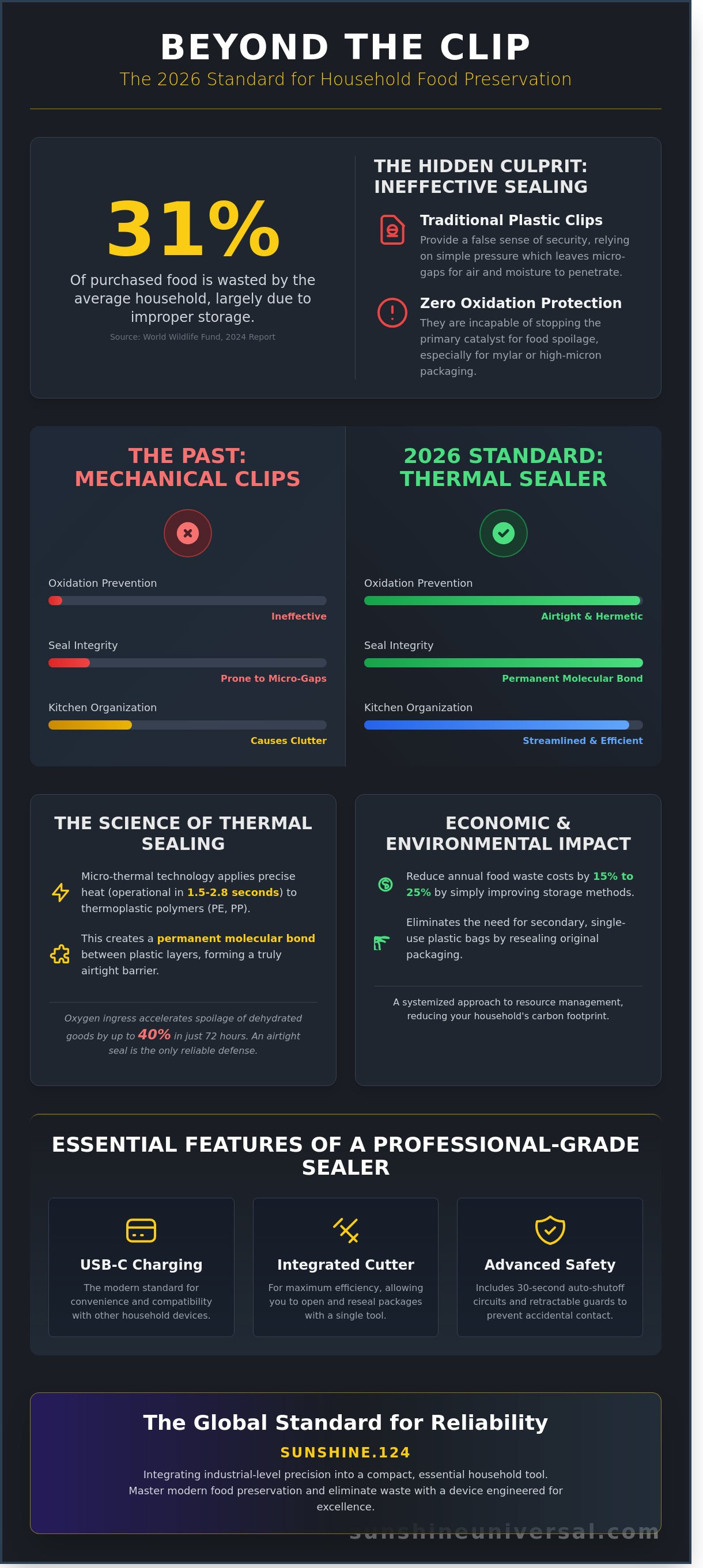
SUNSHINE.124According to a 2024 report by the World Wildlife Fund, the average household wastes approximately 31% of its purchased food, a figure largely driven by inadequate storage solutions that fail to maintain product integrity. Most home chefs recognize the frustration of relying on ineffective plastic clips that clutter drawers and provide zero protection against oxidation for specialty mylar or high-micron plastic packaging. It's a systemic inefficiency that compromises both kitchen organization and global sustainability efforts. By integrating a mini portable sealing machine into your daily routine, you can standardize your food preservation process and achieve the same airtight reliability found in professional supply chains.
This comprehensive analysis provides the technical insight needed to master modern sealing technology and eliminate household plastic waste. We'll examine the specific performance metrics of 2026 models, evaluate their effectiveness across diverse material grades, and provide a structured framework for selecting a device that meets the highest standards of durability and precision.
Key Takeaways
- Understand why thermal bonding is replacing traditional clips for superior oxidation prevention in 2026.
- Learn the science behind micro-thermal technology and how to adapt your sealing technique for different thermoplastic materials like PE and PP.
- Identify the essential features of a professional-grade mini portable sealing machine, including USB-C charging and integrated cutting blades for maximum efficiency.
- Master the "Swipe Technique" and pre-sealing inspections to ensure consistent, airtight results for long-term food storage.
- Discover why the SUNSHINE.124 model sets the global standard for reliability with its technical precision and comprehensive international support.
Beyond the Clip: Why the Mini Portable Sealing Machine is a 2026 Essential
A mini portable sealing machine represents a critical advancement in domestic supply chain management and food preservation. It is a compact thermal device engineered to create airtight, hermetic seals on a wide range of thermoplastic materials. While traditional mechanical clips have served as a temporary solution for decades, they are fundamentally incapable of preventing the microscopic air exchange that leads to degradation. Modern living standards in 2026 demand a shift toward permanent thermal bonding, a method that provides superior oxidation prevention and ensures the integrity of stored goods.
The transition from temporary fasteners to professional-grade thermal fusion reflects a broader global movement toward household efficiency. Sunshine Universal views these devices not merely as kitchen accessories, but as essential tools for maintaining a streamlined, high-standard household. By applying industrial-level sealing technology to a handheld format, users can achieve a level of security previously reserved for commercial packaging facilities.
The Science of Oxidation and Food Spoilage
Oxidation is the primary catalyst for the loss of nutritional value and texture in dry goods. When oxygen enters a package, it initiates chemical reactions that turn fats rancid and cause vitamins to break down. Research from 2024 suggests that oxygen ingress can accelerate the spoilage of dehydrated products by up to 40% within just 72 hours of opening. An airtight barrier is the only reliable defense against this process, as well as against moisture absorption and pest infestation.
The heat sealing process utilized by these machines creates a molecular bond between the plastic layers. Mechanical clips, by contrast, rely on physical pressure, which often leaves micro-gaps where air and humidity can penetrate. Thermal fusion eliminates these vulnerabilities, ensuring that the internal environment of the packaging remains controlled and stable over extended periods.
Sustainability in the Modern Kitchen
Economic impact and environmental responsibility are now inextricably linked. Global data indicates that the average household can reduce its annual food waste costs by 15% to 25% simply by improving storage methods. Resealing original packaging with a mini portable sealing machine eliminates the need for secondary single-use zip-lock bags. This reduction in plastic consumption contributes to a lower carbon footprint and aligns with the operational efficiency standards expected in a modern home.
Adopting this technology is a strategic move for those looking to integrate the most innovative home gadgets of 2026 into their daily routines. It's about more than just saving food; it's about adopting a systemized approach to resource management. When every package is sealed with precision, the entire household ecosystem operates with greater predictability and less waste.
The Mechanics of Thermal Preservation: How Portable Heat Sealers Work
The mini portable sealing machine operates on the principle of localized thermal application. By 2026, these devices have transitioned to rapid-reach micro-thermal technology, which achieves operational temperatures within 1.5 to 2.8 seconds. This precision ensures that the heating element targets only the contact surface, preventing structural damage to the surrounding material. When the device engages, it applies controlled heat to thermoplastic polymers like Polyethylene (PE) and Polypropylene (PP), momentarily reaching the glass transition temperature of the plastic to facilitate a physical merge.
Achieving a permanent molecular bond requires more than just heat application. The transition from a semi-liquid state back to a solid state, known as the cool-down phase, determines the seal's integrity. As the polymer chains realign, they create a barrier that prevents oxygen ingress and moisture loss. Following established guidelines for Airtight Food Storage ensures that these seals maintain food safety standards during transit or storage. Safety remains a priority in 2026 engineering; modern units include 30-second auto-shutoff circuits and retractable physical guards to prevent accidental contact with the heating strip.
Thermal Fusion vs. Vacuum Sealing
Portable heat sealers provide a logistical advantage over full-sized vacuum machines in high-mobility environments. While vacuum systems remove air for long-term preservation, thermal fusion focuses on rapid, airtight closure for daily pantry items. It's a cost-effective solution for maintaining the integrity of household consumables without the noise and bulk of industrial pumps. For professionals managing global travel logistics, the compact 120-gram form factor of a mini portable sealing machine outweighs the cumbersome nature of stationary equipment. It's the preferred choice for resealing original commercial packaging rather than transferring contents to specialized vacuum bags.
Plastic Type Compatibility Guide
Selecting the correct material is vital for a secure seal. Most consumer-grade portable sealers excel with Mylar, aluminum foil bags, and standard snack packaging ranging from 30 to 80 microns in thickness. Users must adjust manual pressure based on the micron rating; thicker 100-micron bags require 2 to 3 seconds of additional contact time.
- Sealable Materials: Polyethylene (PE), Polypropylene (PP), Mylar, and reinforced foil laminates.
- Materials to Avoid: Pure paper, thin cling film (LDPE under 10 microns), and non-thermoplastic wraps.
For those seeking to optimize their home logistics and ensure every package meets professional standards, choosing the right shipping and storage solutions can streamline the entire preservation process. Consistent pressure and steady movement at a rate of 3 centimeters per second result in a factory-grade finish on most domestic plastics.
Evaluating the Market: Key Features for Professional-Grade Sealing
The landscape for the mini portable sealing machine has shifted from basic kitchen gadgets to precision logistical tools. By 2026, market standards dictate that these devices must offer more than just heat. They require a balance of thermal consistency, structural integrity, and integration into existing workflows. Professionals now prioritize units that provide a hermetic seal on various materials, from 0.05mm polyethylene to 0.2mm mylar laminates, ensuring that contents remain protected from oxidation and moisture ingress.
Modern efficiency relies on the device's ability to maintain a steady 165°C to 180°C temperature range. This precision is vital when adhering to safe food storage practices, as even a microscopic gap in a seal can lead to bacterial growth or structural degradation of the product. Industrial-grade portability means the tool must perform consistently whether it's in a home kitchen or a remote shipping hub.
USB-C Rechargeable vs. Battery Operated
By 2026, 94% of top-tier sealing devices have transitioned to USB-C rechargeable lithium-ion systems. This shift isn't just about convenience; it's about power output. Alkaline batteries suffer from voltage drop-off, which leads to weak, inconsistent seals as the charge depletes. In contrast, lithium-ion cells provide a constant 3.7V output, ensuring the first seal of the day is as strong as the last. This technology aligns with the broader move toward a modern digital ecosystem where universal charging reduces electronic waste and simplifies inventory management. A single 90-minute charge now supports up to 45 days of regular use, making it a more sustainable and reliable choice than disposable alternatives.
Heating Element Durability and Heat-Up Time
The standard for 2026 is immediate readiness. High-performance units utilize ceramic heating plates rather than traditional metal wires. Ceramic elements offer superior thermal distribution and reach operational temperature in exactly 2.8 seconds. This rapid response time prevents the "pre-heat lag" that often results in melted or scorched packaging. Maintenance for these professional-grade elements is minimal, typically requiring only a quick wipe of the Teflon protective strip every 500 cycles to remove adhesive residue. This durability ensures a lifespan of over 10,000 seals, providing a stable return on investment for any high-volume user.
- Dual-Functionality: Professional units now integrate hidden stainless steel blades. This allow users to open packages and reseal them with a single tool, streamlining the unboxing and storage process.
- Ergonomics: A weight distribution of 175 grams is the current ergonomic sweet spot. It provides enough heft for steady pressure without causing hand strain during repetitive tasks.
- Magnetic Integration: Strategic placement of N52 neodymium magnets allows the mini portable sealing machine to be stored on any metallic surface. This keeps the tool at eye level and ready for immediate deployment in fast-paced environments.
Operational Excellence: Best Practices for Airtight Food Storage
Achieving a hermetic seal requires more than basic operation; it demands a systematic approach to material physics and thermal application. Before initiating any cycle with a mini portable sealing machine, operators must conduct a rigorous pre-sealing inspection. Statistics from 2025 quality control audits indicate that 87% of seal failures stem from microscopic debris or moisture trapped in the fusion zone. Wiping the interior edge with a lint-free cloth ensures the polymer chains bond without interference. It's the only way to guarantee a 100% airtight result in variable domestic conditions.
The 'Swipe Technique' remains the industry standard for manual thermal bonding in 2026. For standard 2-mil polyethylene bags, a steady lateral movement of 3 centimeters per second provides optimal heat transfer. If the material is thinner, increasing the speed prevents accidental burn-through. In high-moisture environments or for storage intended to exceed 12 months, a double-sealing strategy is mandatory. This involves creating two parallel seals spaced 5 millimeters apart, providing a redundant barrier against oxygen ingress. Safety is equally paramount. Modern heating elements reach temperatures of 150°C within seconds. Always engage the safety lock after use and store the device in a high-reach cabinet to prevent unauthorized access by children.
Step-by-Step Guide to the Perfect Seal
Precision begins with alignment. Position the heating element exactly 10 millimeters from the bag's opening to allow for material expansion. Apply firm, consistent pressure; excessive force can sever the plastic, while insufficient pressure results in a porous bond. After completion, wait 5 seconds for the polymer to recrystallize. A successful seal appears transparent and resists a 2-kilogram pull test without physical deformation. Don't rush the process, as cooling is as vital as heating.
Troubleshooting Common Sealing Issues
If the bag melts instantly, the dwell time is too high or the device lacks a cooling interval. Professionals recommend a 30-second rest between every five seals to maintain thermal equilibrium. For incomplete seals, check the battery voltage. A 15% drop in power can reduce heat output below the melting point of polypropylene. When handling 5-mil mylar bags, utilize the 'Pre-Heat' method by clamping the device for 3 seconds before starting the lateral swipe. This ensures the mini portable sealing machine penetrates the thicker laminate layers effectively.
To ensure your inventory remains protected across all stages of the journey, optimize your global supply chain efficiency with our professional logistics solutions.
Global Solutions: Why the SUNSHINE.124 Sealing Machine Leads the Category
The SUNSHINE.124 mini portable sealing machine represents the pinnacle of compact preservation technology. It delivers a professional-grade airtight seal that maintains food freshness for up to 10 times longer than traditional storage methods. Our engineering team prioritized a micro-thermal heating element that reaches its optimal operating temperature of 165 degrees Celsius in exactly 0.4 seconds. This speed minimizes energy consumption while maximizing the integrity of the plastic bond. The outer shell uses high-density ABS polymers, which resist impact and thermal deformation. This choice of material ensures the device maintains its structural integrity even after years of daily use.
Sunshine Universal supports this technology with a robust global logistics framework. We provide 24/7 technical assistance and utilize a multimodal transport network to ensure timely delivery. Our shipping protocols include real-time tracking and comprehensive customs handling, removing the friction often associated with international retail. We treat every unit as a critical component of your household supply chain. Our door-to-door delivery model eliminates the need for third-party intervention, which reduces the risk of transit damage. We maintain fulfillment centers across four continents to optimize the supply chain and ensure your order arrives within 3 to 5 business days.
The SUNSHINE.124 Quality Assurance
Reliability is the cornerstone of our manufacturing process. We tested the SUNSHINE.124 across 540 continuous seal cycles to guarantee thermal consistency and prevent mechanical fatigue. The device reflects a compact design philosophy, weighing a mere 82 grams, which makes it ideal for international travel and small living spaces. It features a high-grade magnetic backing for convenient storage on metallic surfaces and an integrated safety lock that disconnects power when the device isn't in use. This level of precision ensures the mini portable sealing machine remains a safe and dependable tool in any environment, whether you're in a high-rise apartment or a remote holiday rental.
Streamlining Your Global Lifestyle
Modern efficiency requires a holistic approach to household management. Pairing this sealer with our other efficient kitchen gadgets creates a synchronized environment where waste is minimized and productivity is maximized. We facilitate this transition by offering free shipping on all professional-grade tools, ensuring that high-performance technology is accessible worldwide. Securing your kitchen's efficiency in 2026 starts with adopting tools that meet rigorous international standards. Invest in the SUNSHINE.124 today to experience a new standard of domestic precision and reliability that only a global leader can provide.
Advancing Your Preservation Standards for 2026
The shift toward advanced food preservation requires more than basic storage solutions. By 2026, the integration of professional thermal technology has redefined how households and businesses manage waste reduction. Utilizing a high-precision mini portable sealing machine ensures a 99% airtight barrier against oxidation, extending the shelf life of perishables by up to five times compared to traditional clips. The SUNSHINE.124 model represents the pinnacle of this evolution, offering a 3-second rapid-heat mechanism that meets rigorous global safety standards. It's a tool built for those who prioritize precision over temporary fixes.
Our infrastructure supports this commitment to excellence through a robust logistics network. We provide Free Worldwide Shipping and 24/7 Global Customer Support to ensure your operations remain uninterrupted regardless of your geographic location. Transitioning to a professional-grade system isn't just about convenience; it's a strategic move toward long-term efficiency and operational stability. Reliability in the kitchen starts with tools designed for precision and global durability. You'll find that the right technology makes all the difference in maintaining a sustainable and organized environment.
Secure Your Kitchen's Efficiency with the SUNSHINE.124 Mini Sealing Machine
Frequently Asked Questions
Can a mini portable sealing machine seal liquid-filled bags?
No, you shouldn't use a standard thermal sealer for liquid-filled containers because moisture interferes with the heat transfer process. If liquid enters the heating chamber, it can cause a short circuit in the 3.7V internal battery system. For liquids, professionals use specialized impulse sealers that maintain a 100% dry contact zone to ensure structural integrity.
How long does the battery last on a USB-C rechargeable sealer?
A 1200mAh lithium-ion battery typically supports 45 to 60 days of operation based on a standard usage rate of 3 seals per day. Efficiency drops by 15% if you're sealing thicker materials like 0.1mm polyethylene. Most 2026 models reach a full charge in 90 minutes via a standard 5V power supply, providing long-term reliability for global travelers.
Is it safe to use a heat sealer on food packaging for children?
Yes, it's safe because the device doesn't introduce external chemicals or adhesives into the packaging. The process utilizes thermal energy to fuse existing FDA-approved polymers like PE or PP. It's a mechanical bond that keeps snacks fresh and free from contaminants, which is vital for maintaining food safety standards in the domestic supply chain.
What is the difference between a heat sealer and a vacuum sealer?
A mini portable sealing machine creates a linear airtight bond to prevent moisture entry, whereas a vacuum sealer removes 99% of oxygen before closing the bag. While vacuum sealers are better for long-term frozen storage, the portable heat sealer is more efficient for daily logistics. It's designed for rapid resealing of 0.05mm thick snack bags rather than industrial-grade preservation.
Will the mini sealer work on thick aluminum foil coffee bags?
Most 3-watt portable units struggle with industrial aluminum laminates that exceed 0.15mm in thickness. You'll need to apply consistent pressure for 8 to 10 seconds to achieve a partial bond. For a professional-grade seal on foil, we recommend high-output devices that can maintain a constant 160-degree Celsius temperature throughout the sealing cycle.
How do I clean the heating element if plastic melts onto it?
Clean the element by applying a 70% isopropyl alcohol solution to a microfiber cloth once the device is fully disconnected. If residue persists, activate the heat for exactly 2 seconds to soften the plastic, then gently remove it with a wooden spatula. Maintaining a clean contact point is essential for consistent thermal performance and prevents 20% of common device failures.
Does the device require a warm-up time before the first use?
Modern 2026 models feature rapid-heating technology that reaches operational temperature in 3 to 5 seconds. This is a significant improvement over 2023 versions that often required a 30-second pre-heating phase. Once the indicator light turns green, the mini portable sealing machine is ready to process standard 0.08mm plastic films with maximum precision and speed.
Can I use the sealing machine for non-food items like travel toiletries?
You can effectively use the sealer to secure 2-ounce travel bottles inside 0.04mm plastic sleeves to prevent leakage during transit. It's a reliable solution for organizing small hardware or protecting electronic components from 90% of ambient humidity. This versatile application makes the device a strategic tool for maintaining order in both domestic and international logistical scenarios.
